Annual Sustainability Report 2024–2025
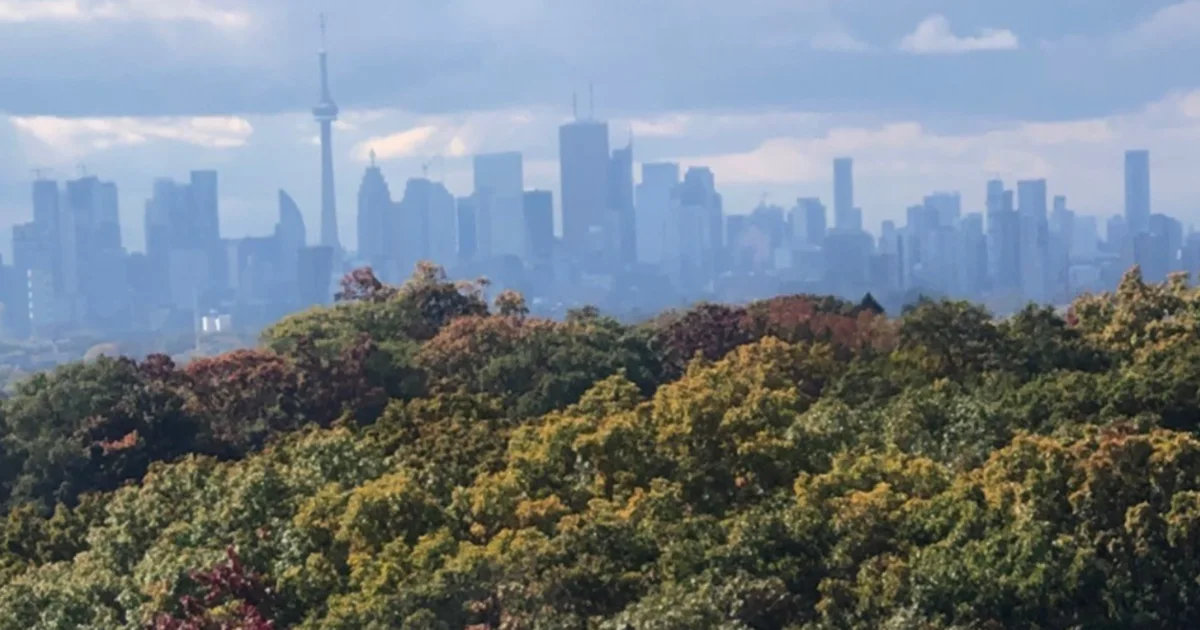
An Environmental Frontrunner
The YMCA of Greater Toronto is working to be an environmental leader, and we believe that a great future is a green future. Our investments in new technology, climate resilience, waste conservation initiatives, and energy retrofit projects will help ensure we operate in a sustainable way.
This is our seventh Climate and Sustainability Report, and it charts our progress, learnings, and achievements. Here, we summarize its key points.
Emissions & Waste
Carbon Emissions
We track all direct (Scope 1) and indirect (Scope 2) energy emissions created at YMCA-owned facilities. Our major Scope 3 (indirect) emissions categories include the purchase of goods and services, operational waste, employee commuting, and operation of YMCA-leased assets.
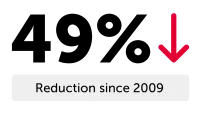
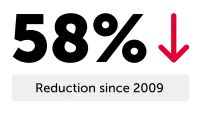
Our FY2025 emissions total 6,100 tCO₂e (Scope 1: 5,065; Scope 2: 1,035), and our emissions intensity was 55 kgCO₂e/m². Since 2009, we've reduced our absolute emissions by 49% and our emissions intensity has declined by 58%. We use Science Based Targets initiative (SBTi) principles to set short-, medium-, and long-term targets and align risk management with decarbonization.
Total GHG Emissions
FY2025:
6,322
tCO2e
Emissions Intensity
FY2025:
55.39
kgCO2e/m2
Circular Design & Waste Diversion
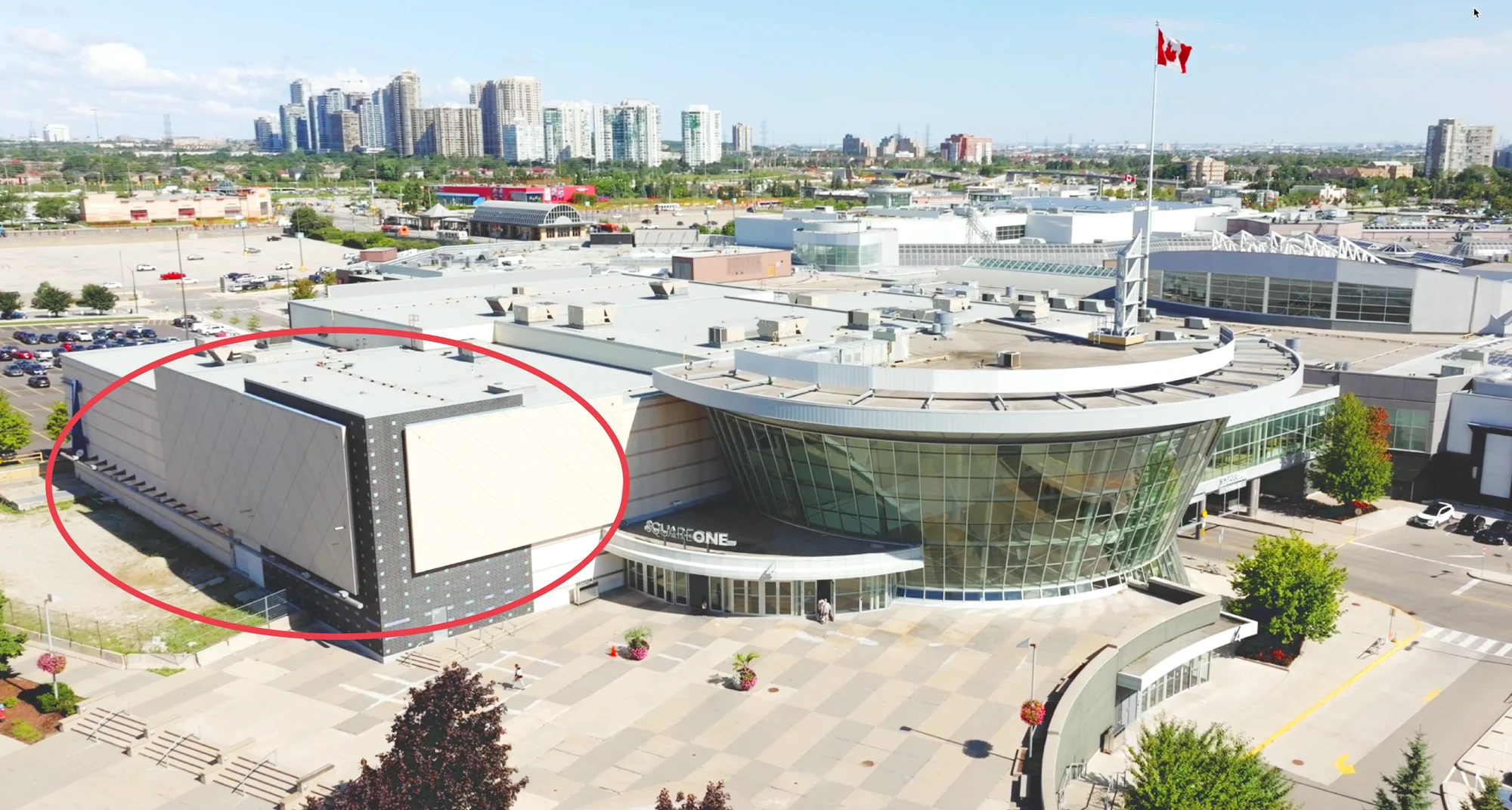
We’re relocating our Mississauga YMCA to a new modern space at Square One Shopping Centre in early 2027. The new facility will form part of the visionary new mixed-use neighbourhood in the Square One District.
This unique opportunity to be in an existing shopping mall offers many ways to reuse the existing constructed space, repurpose existing equipment and materials, target waste diversion to promote circular building principles, and continue to be climate leaders in the Greater Toronto Area (GTA).
The YMCA’s circular reuse initiative is inspired by efficiency and the modularity of design and logistics principles. We are working to identify opportunities for disassembly, reuse, and adaptability and apply them to the YMCA’s building infrastructure — recovering, storing, and redeploying equipment and materials from decommissioned sites to new or renovated YMCA locations.
Energy Efficiency & Clean Power
Energy Consumption
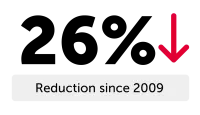
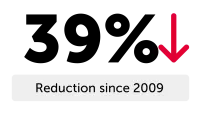
Our FY2025 energy use was 49,064 MWh. Since 2009, the Y's total energy use has decreased, and energy use intensity has dropped by 38% to 445.51 kWh/m², thanks to the implementation of variable frequency drives (VFDs), advanced controls, schedule optimization, and efficiency programs.
In 2024, a portfolio review identified deep retrofit opportunities now being advanced at Central, West End, and Oshawa YMCAs with grant support. The overall downward trend in energy consumption since reflects the effectiveness of our energy reduction strategies.
Total Energy Use
FY2025:
49,064
MWh
Energy Intensity
FY2025:
446
kWh/m2
Renewable Energy
We operate several renewable energy systems across our locations, including Markham, Cooper Koo, Central, and Scarborough YMCAs. The electricity generated by these systems is generally used onsite; however, we sell electricity from our photovoltaic (PV) panels at Markham YMCA back to the grid. In 2024, we repaired the PV generation unit at the Markham YMCA, restoring the system to full capacity and roughly doubling our annual generation.
The onsite solar at Markham, Cooper Koo, Central, and Scarborough YMCAs generated 131,953 kWh in FY2025 (≈4.09 tCO₂e offset), with Markham output rebounding roughly 10X after repairs, informing a scalable, microgrid-ready approach for future sites.
Water Stewardship
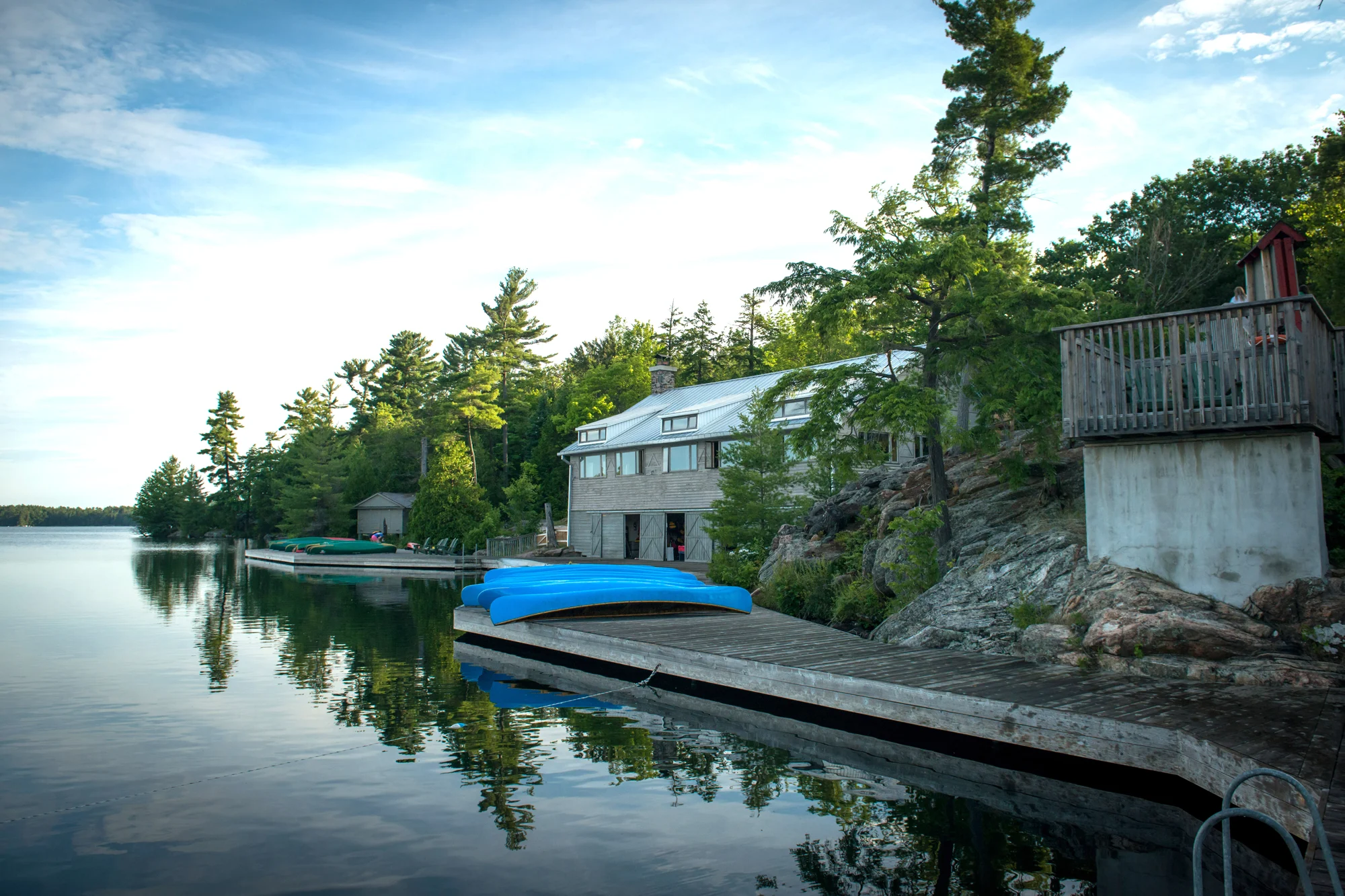
Each of the 14 YMCA-owned urban facilities uses municipal drinking water, but our rural locations do not. YMCA Cedar Glen Outdoor Centre draws its water from a well, and YMCA Camp Pine Crest gets its water from a combination of well water and nearby surface water.
Our FY2025 water use totals 336,584 m³ (urban sites: municipal; rural sites: wells/surface), and our water use intensity was 3.06 m³/m². Since 2009, total water consumption has reduced by 8% and intensity has improved 24% through the use of low-flow fixtures, optimized pool drain/refill cycles, and enhanced laundry efficiency — reinforced by operational practices that reduce consumption without compromising service.
Water stewardship aligns with resilience planning, ensuring critical pumping, backflow prevention, and drainage systems function under stress.
Climate Resilience
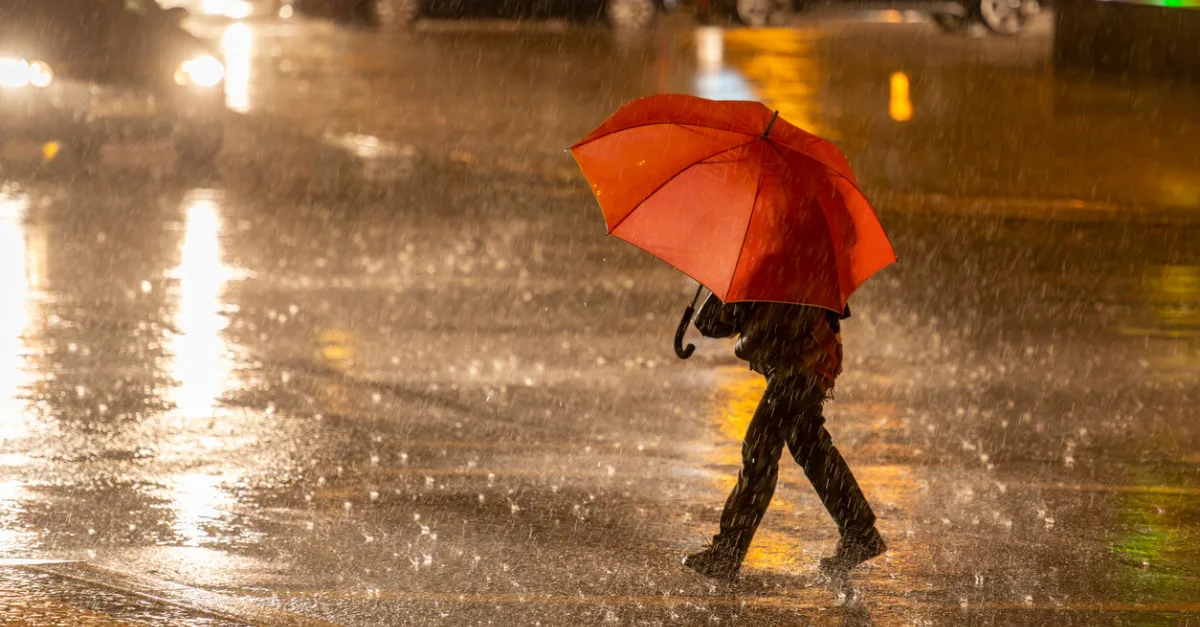
Flooding is a significant climate-related risk in the GTA. We must prepare for flooding from overflowing rivers and pluvial flooding, which occurs when land surfaces overflow due to heavy rainfall. We’re working to ensure our facilities are floodproof and always operational for community members during flood events.
We have assessed all our owned sites and operational practices for opportunities to ensure resilience across our facilities and employees further. This included considering past events, the condition of buildings, employees' expertise, and the facility’s geographic vulnerability to flood.
Community Resilience Hubs
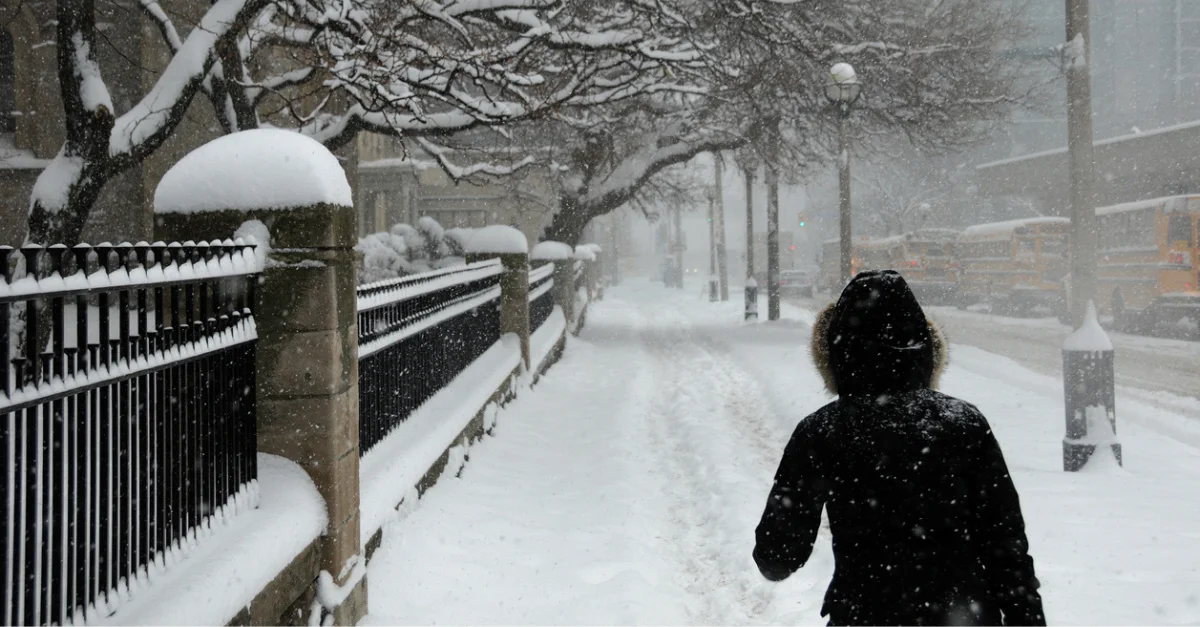
A community resilience hub (CRH) is a facility designed to help communities prepare for, respond to, and recover from climate-related events. This could include acting as a cooling centre during heatwaves, supplying internet and facilities during power outages, and providing safety during extreme weather events.
YMCA employees are being trained in emergency management protocols, facilities are prepared to be emergency food drop-off centres, 72-hour emergency management kits are available on-site for employee use, and we're using tools like geographic information systems (GIS) modelling to better coordinate responses during emergencies.
Biodiversity Conservation
Canada is a signatory to the Convention on Biological Diversity (CBD), a United Nations treaty established in 1992 that seeks to integrate biodiversity conservation into national development strategies. We are eager to play our part in achieving these targets. Biodiversity is managed at all 16 YMCA-owned facilities and, where possible, at all leased facilities.
Forest Management
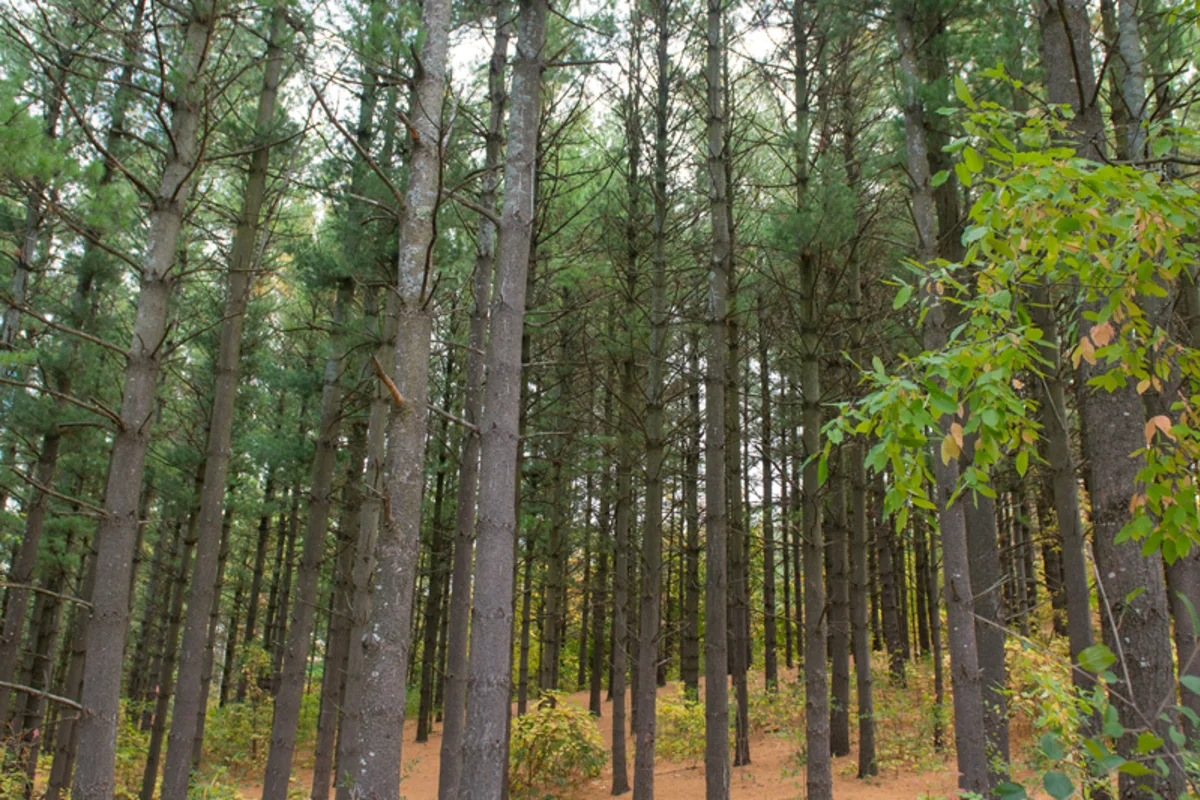
YMCA Cedar Glen Outdoor Centre’s 263-acre site follows a professional forest management plan balancing restoration, education, and recreation. The site hosts 50–100 Humber Polytechnic students annually for hands-on learning.
Our urban centres extend habitat through green roofs, naturalized child care play areas, and pollinator beds.
In 2026, we will conduct a forest carbon assessment to quantify stored carbon and recommend sequestration strategies.
Pollinator Support
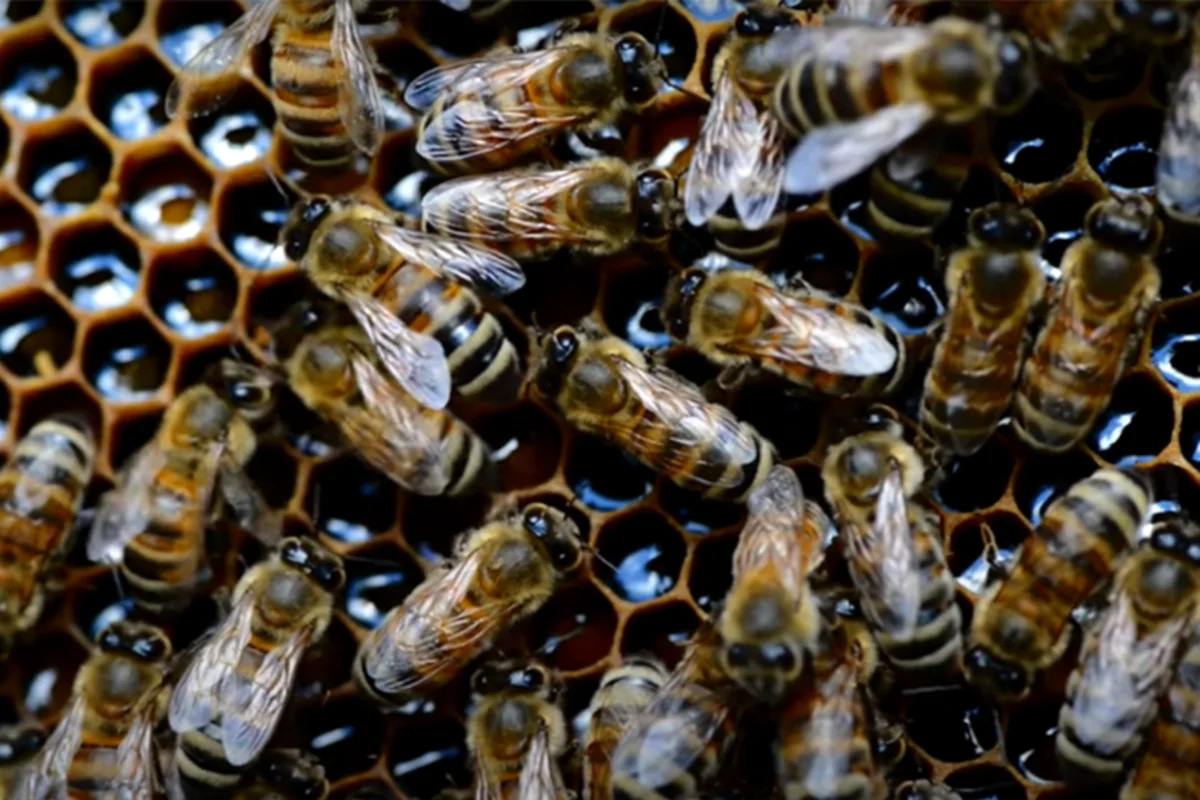
We support pollinators in our urban locations through designated biodiversity areas on our green roofs and green spaces.
We are also planting flowers and shrubs that are food sources for bees and other insects. We plan to introduce educational signage and tours in the future to highlight the importance of this.
Centres of Community
New YMCA Transitional Housing Project
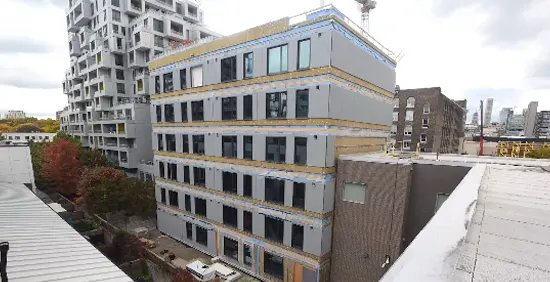
The YMCA of Greater Toronto is building a new transitional housing project that integrates leading-edge sustainability practices. It's being designed to achieve net-zero operational carbon and incorporates a whole-building life cycle assessment (LCA) to ensure low embodied carbon across construction and materials. The project also features a geothermal energy system to provide efficient, renewable heating and cooling.
What sets this project apart architecturally is its six-storey mass timber design. By replacing traditional concrete or steel with sustainably sourced wood, the building significantly reduces its embodied carbon footprint, including emissions associated with materials and construction.
Achieving LEED Platinum Designation
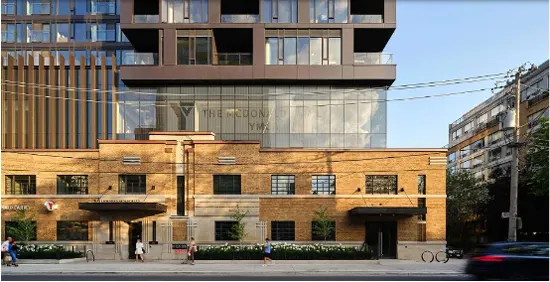
The McDonald Family YMCA in the King and Spadina neighbourhood opened in July 2025. The goal of its construction was to achieve Leadership in Energy and Environmental Design (LEED) Platinum certification, and it was designed with accessibility as a priority, exceeding the requirements of the Accessibility for Ontarians with Disabilities Act (AODA).
This facility will also serve as a community resilience centre to support people during severe weather events. A backup generator complements the building's efficient energy and lighting systems to ensure people have access to basic needs during extreme events.
Rick Hansen Foundation Accessibility Certification
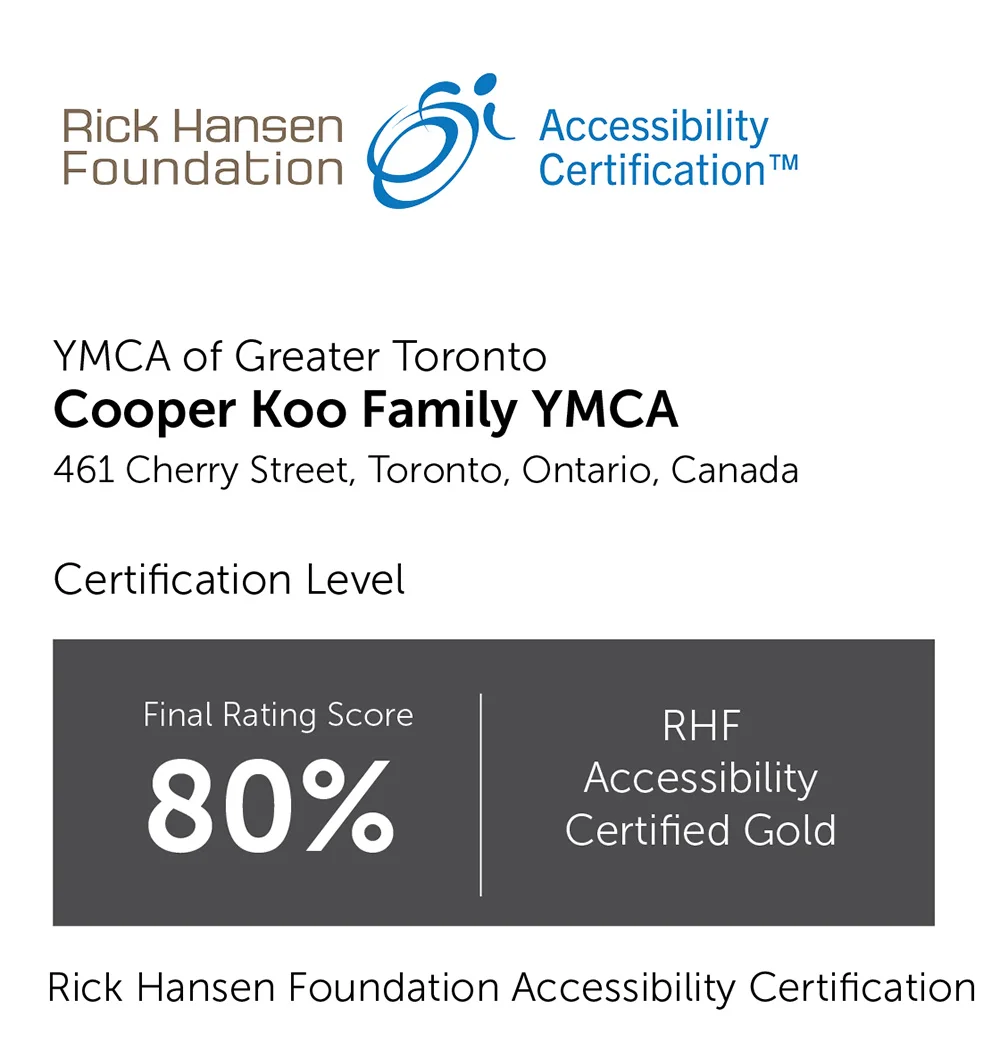
The Rick Hansen Foundation Accessibility Certification (RHFAC) is a recognized rating and certification system that evaluates the level of accessibility of a building or site for people with disabilities. RHFAC assesses measures like door widths, pathways, washrooms, signage, lighting, and more.
Eight of our health and fitness facilities are now certified, with our Cooper Koo Family YMCA achieving RHF Accessibility Gold Certification.
Local Food
YMCA Cedar Glen and Downsview Farms
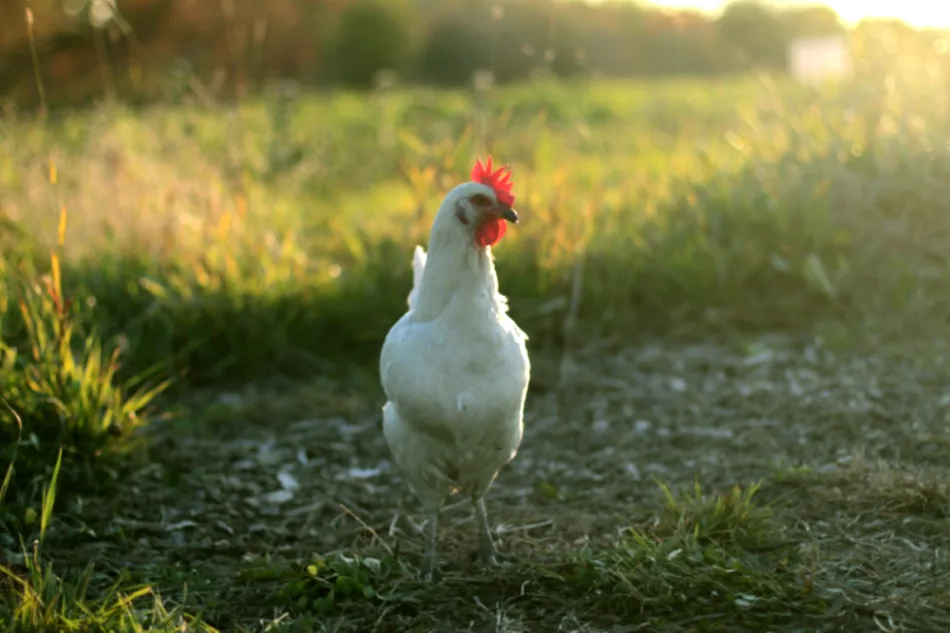
Our YMCA Cedar Glen and Downsview farms are an important link between our urban and rural facilities. They provide valuable opportunities for employment, skills development, and access to fresh produce, helping our participants develop their knowledge and respect for food production and the natural environment.
In 2024, we created more intentional programming for our farm camps, with a greater focus on experiential learning opportunities, such as collecting ladybugs for the greenhouse and using vinegar to make calcium-rich fertilizer with chicken eggs.
Case Study: Harvest Share
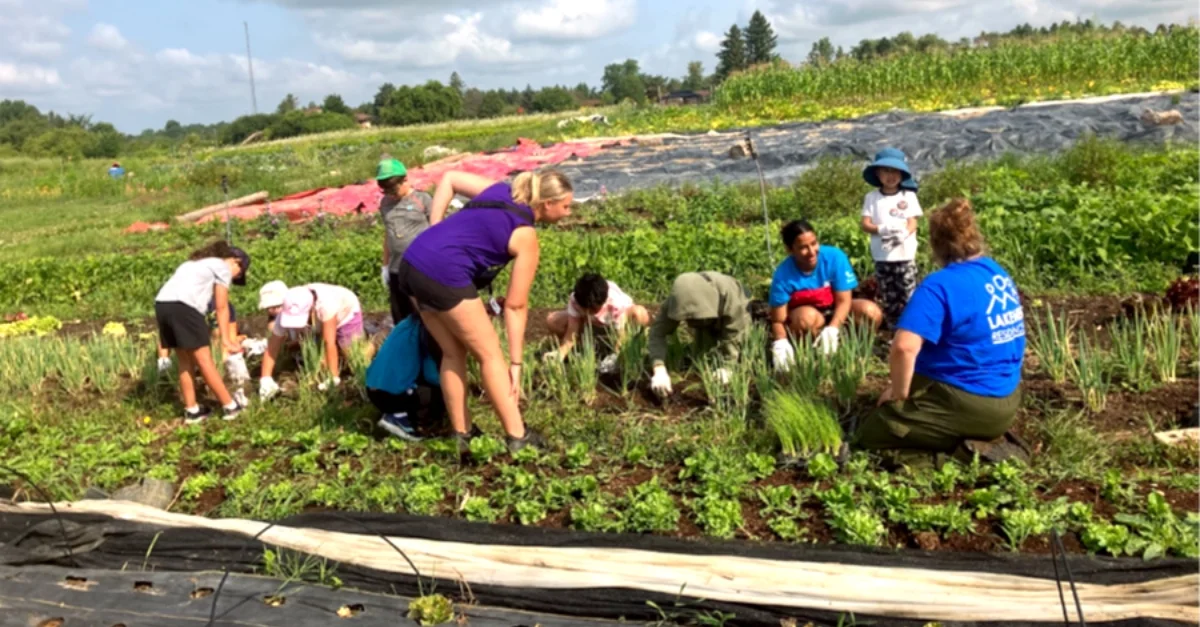
It is important to us that our community members have access to fresh fruit and vegetables. From late spring to late fall, we operate a harvest-sharing program that delivers over 30 seasonal vegetables from Cedar Glen's farm to members at seven YMCA locations across the GTA.
In 2024, we had 39 summer members in our Harvest Share program, and we extended the Fall Harvest Share to eight weeks with 23 participants.
We also donated over $300 worth of farm vegetables to the North York Harvest Food Bank.
Climate Governance
 The YMCA of Greater Toronto has played a key role in establishing the YMCA Green Network (formerly called the Sustainability Co-Lab) in collaboration with U.S.-based YMCAs and the World YMCA. This international working group was formed to share expertise, pool resources, and foster collaboration across borders in support of the World YMCA’s Vision 2030 Sustainable Planet pillar.
We have been centrally involved in creating a YMCA Sustainable Toolkit, which is digitally available globally. This is part of a new initiative called the YMCA Green Space, an online platform that aims to foster new partnerships and knowledge sharing among North American and global YMCAs.
About This Report
This year marks the release of our seventh Climate and Sustainability Report, which charts our progress, deepens our accountability, and reflects our continued learning.
As a charity that focuses on the health and well-being of our communities, we strive towards leadership in environmental sustainability and community resilience to support these neighbours, especially those most vulnerable and marginalized.
It is important to share the progress and learnings of our sustainability journey and to be accountable and transparent about the climate-related risks and opportunities of our activities with partners and communities that we engage with.
We continue to work towards leadership as an environmentally conscious charitable organization by adopting global climate and sustainability reporting frameworks and standards.
The YMCA of Greater Toronto prepared this 2024–2025 Climate and Sustainability Report, our seventh such report, in accordance with the Global Reporting Initiative (GRI) Sustainability Reporting Standards: Core/Comprehensive option, including the non-governmental organization (NGO) supplement and International Financial Reporting Standards (IFRS).
Data and metrics reflect our 2024–2025 Financial Year (ending March 31, 2025). Report content has not been subject to external assurance, except for content taken from the annual financial statements.
The YMCA of Greater Toronto engaged the climate risk and opportunity strategic consulting firm Mantle Climate (Mantle) to coordinate, develop, and prepare this report. Mantle aims to accelerate the decarbonization of the built environment and support the creation of climate-resilient communities, providing industry expertise around embodied carbon, Scope 3 emissions, and ESG disclosure.
To share feedback, ask questions, or get more information about this report, please contact:
 Alex Versluis, P.Eng., P.E. CEM
Senior Vice President, Property Management and Development, YMCA of Greater Toronto
alex.versluis@ymcagta.org
As a Canadian charity with a 170-year history, the YMCA of Greater Toronto has a robust governance structure, summarized in our Governance Guidelines. We believe that good corporate governance is not just about rules and regulations, but about nurturing the culture and ensuring ethical behaviour within our organization. Culture and ethical behaviour, in addition to policies and procedures, are cornerstones of effective governance.
The Board of Directors of the YMCA of Greater Toronto retain the overall responsibility for governance and accountability of the organization. The Board is a group of community volunteers who provide vision, strategic leadership and stewardship, and ensure that we are in line with our commitments to operate ethically and responsibly.
Dip into our archives and see the progress we've made on our sustainability journey.
2023–2024 Sustainability Report (PDF)
2022–2023 Sustainability Report (PDF)
2021–2022 Sustainability Report (PDF)
2020–2021 Sustainability Report (PDF)
2019–2020 Sustainability Report (PDF)
YMCA Climate Resilience Strategy (PDF)