
How the Y is using circularity to reduce waste
How can we create less waste? One way is circularity.
Circularity is an approach to using materials and resources for as long as possible by reusing, repairing, repurposing, and recycling them. Circular principles can apply to many materials, from clothing and food to electronics and construction.
At the YMCA of Greater Toronto, we use circular practices to reduce waste, lower emissions, and use resources more efficiently.
How does the Y use circularity?
Our efforts focus mainly on renovation, demolition, and construction — the largest sources of waste for our charity.
For example, as we move the Mississauga YMCA to Square One Shopping Centre, we’re reusing and repurposing as many materials as we can.
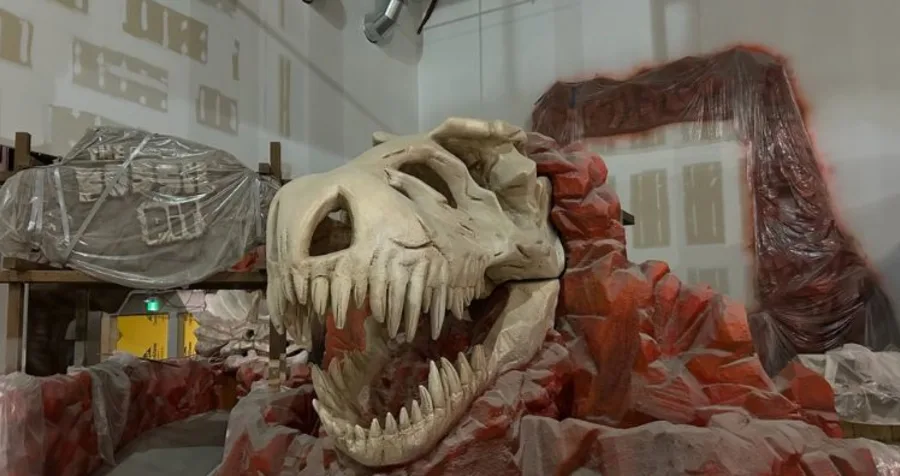
In the new space, we’re using or rehoming what’s already there, where possible. That includes some unusual items: Large model dinosaurs that were installed in the space during previous use were rehomed rather than sent to landfill. As we clear out the old facility, we’re also carefully removing, listing, and storing furniture, fixtures, gym and play equipment, lighting, appliances, and some building systems. The goal is to reuse them at other Y facilities.
We also recovered 73 kilograms of refrigerants (chemical fluids) from existing air conditioning systems to reuse at the new facility. This prevented approximately 164 tonnes of greenhouse gas emissions (CO₂e) from being released into the atmosphere. That’s equivalent to the annual emissions from about 38 cars!
Did you know? According to the Circular Innovation Council, Canada’s construction sector produces more than four million tonnes of waste each year — enough to fill 640 Olympic swimming pools.
Why is circularity important?
Linear “take, make, then waste” economies extract resources from the Earth to make new products. When those items break or are no longer wanted, they often end up in landfills or incinerators. This approach creates waste, consumes natural resources, and contributes to pollution and environmental damage.
Circular systems encourage us to think creatively about reducing, reusing, and recycling materials instead of producing new single-use or short-lived items. “This conserves resources, reduces waste and biodiversity loss, and lowers greenhouse gas emissions,” says the United Nations Environment Programme.
Less waste and a lighter environmental footprint aren’t the only benefits. The City of Toronto is also moving to a circular economy, with goals to create jobs, fight climate change, connect communities, and spark innovation.
How can you support circularity?
Circularity isn’t only for major construction projects or economies. Small actions can make a difference, too. Here are a few ways to practise circularity at home:
• Donate clothes, toys, furniture, and other items you no longer want.
• Use sharing services, like tool libraries and car and bike shares.
• Shop at thrift or second-hand stores when you need something new-to-you.
• Choose reusable products over single-use ones, such as rechargeable batteries and reusable water bottles.
• Buy items made with recycled materials.
• Repair broken items instead of throwing them out.
By using products and materials longer, we can all help reduce waste and save resources.
To learn more about the Y’s sustainability efforts and the ways we’re doing our part to help create healthier communities and a healthier planet, visit our sustainability webpage.