
What similarities exist between lucky scoops and gambling?

Lucky scoops are an online shopping trend where sellers use spoons or ladles to scoop a random mixture of small items from bins. Buyers pay in advance for a certain number of scoops, with no control over the kinds of products they’ll receive. These mystery bundles are usually items like stationery, cosmetics, jewelry, hair accessories, household objects, and toys.
Surprise, suspense, and unpredictability are the main attractions
To build suspense, sellers sometimes hide prizes inside plastic capsules or mystery balls. They also might use colour-coded beads or tokens to represent different categories of goods. The scoop reveals the category instead of a specific product. For example, a purple bead might mean stationery, while a blue bead represents cosmetics.
The format may vary, but the core business model stays the same. Buyers pay for scoops and receive a random selection, with surprise and unpredictability driving the appeal.
Similarities between lucky scoops and gambling
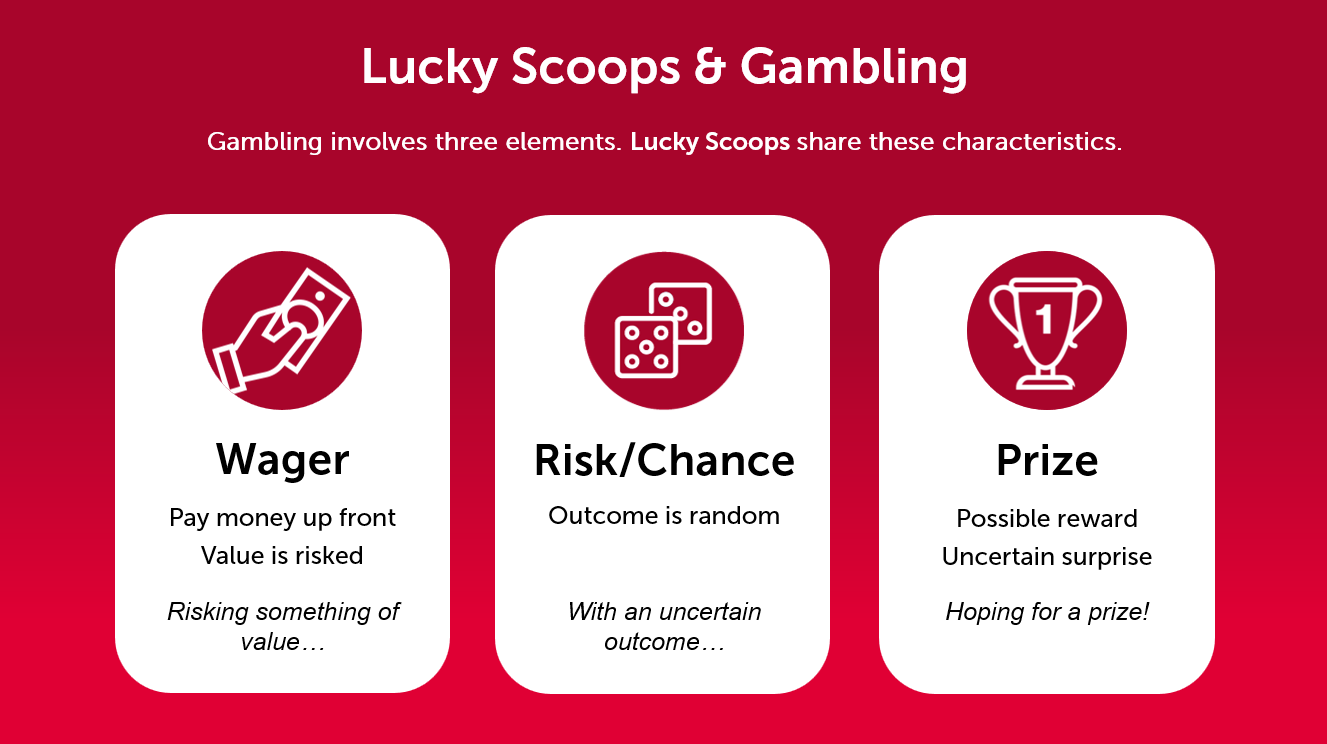
The YMCA of Greater Toronto’s Youth Gambling Awareness Program (YGAP) defines gambling as risking something of value without knowing if you will win or lose. Gambling involves three core elements, and lucky scoops share these characteristics:
- Wager: Buyers pay money up front for a set number of scoops, putting that payment at risk.
- Risk/Chance: The outcome of each scoop is unknown. Consumers have no control over the type, size, or colour of the items they receive.
- Prize: The items vary in value and appeal, and part of the excitement comes from not knowing what they’ll get.
Risks for youth
Lucky scoops combine shopping, entertainment, and game-like mechanics that create specific risks for consumers, especially youth.
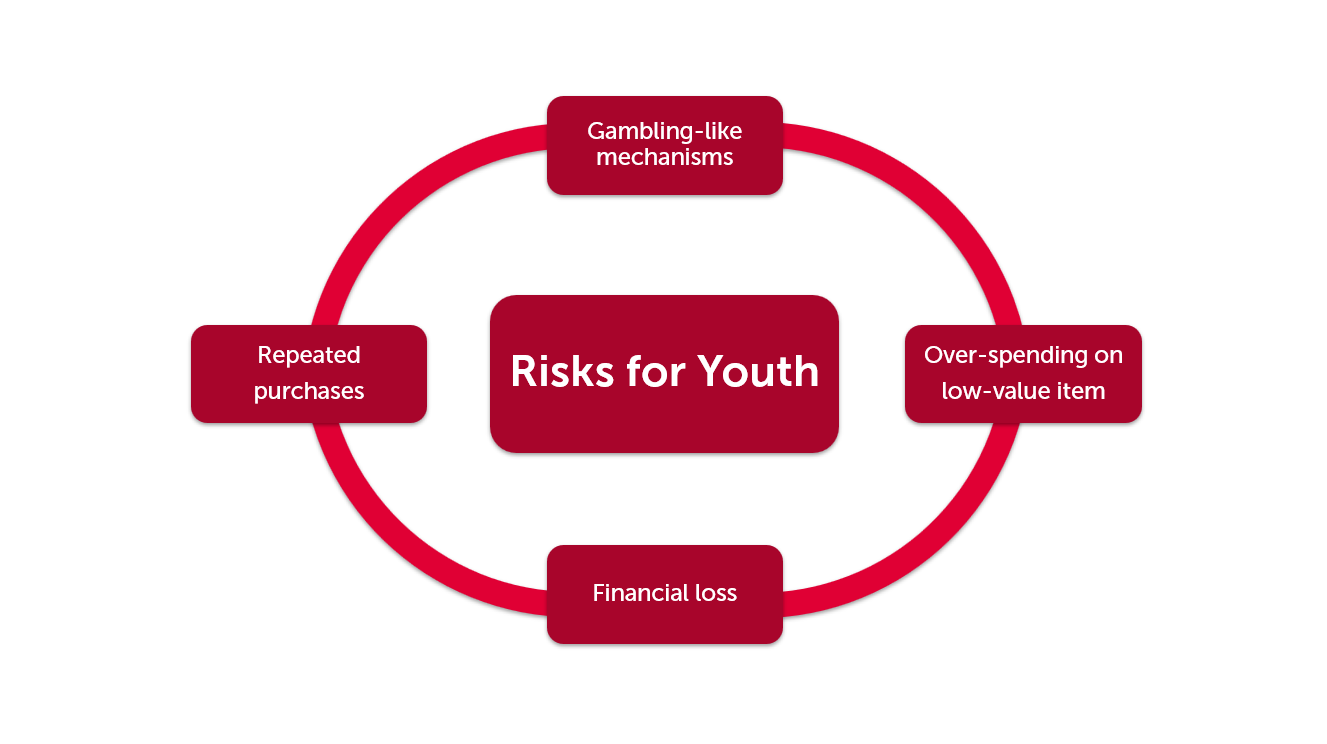
- Repeated purchases: Lucky scoops use the same variable reward pattern found in slot machines. The outcome is uncertain, so consumers might keep buying to get a preferred item.
Features that reinforce this dynamic include:
- Random rewards and limited information about odds. The number, type, and value of items are only revealed after the scoop is made.
- Tiered pricing and minimum purchase expectations. Buyers are encouraged to spend more because it may lead to larger or “better” draws.
Consumers anticipate a reward, experience excitement when the scoop is revealed, and may spend more to repeat that feeling. For youth who are still developing impulse control and decision-making skills, this can normalize risky spending and reinforce habits associated with gambling.
Many lucky scoop purchases are revealed during livestreams or recorded videos. In some cases, buyers can pay an additional fee to have their scoop filmed and shared online. These formats can increase excitement and encourage people to buy more scoops.
- Excessive spending on low-value items: Lucky scoops can encourage people to spend more than they intended. The focus on novelty and quantity may lead buyers, especially youth, to buy several scoops at once and end up with many low-value items. Because buyers don’t know the contents, odds, or value beforehand, it’s difficult to judge whether a purchase is fair or worth the cost. The total value of the items received may be less than the amount spent, and this uncertainty encourages repeated spending.
- Early comfort with gambling-like mechanisms: The lucky scoop business model allows sellers to move low-cost inventory by offering buyers a random assortment rather than specific items. Optional add-ons, such as filmed scoops or themed packaging, make the experience more exciting. Pricing tiers also create the impression of better value through larger or multiple purchases.
For youth, this model is particularly risky because it uses elements that strongly appeal to children and teenagers, including:
- Bright, colourful visuals, and novelty items
- Playful presentation and low-cost entry points
- Items such as toys, stationery, cosmetics, and accessories
- Fast-paced social media reveals and algorithm-driven content
- Child-like voices or storytelling that increase relatability
Lucky scoops are part of a larger trend that includes mystery boxes, blind boxes, video game loot boxes, and collectible card packs. These products bring chance-based rewards into everyday shopping experiences.
When young people are regularly exposed to games where rewards are based on chance, the uncertainty may begin to feel normal and exciting. Social media can amplify this effect. Frequent posts and algorithm-driven content help these videos reach more viewers and keep people watching. Over time, youth become more comfortable spending money on similar experiences and may develop gambling-related problems.[CB8.1]
Supporting youth in navigating chance-based purchases
Adults can help youth approach lucky scoops and similar products in a safe and informed way by:
- Explaining randomness: Help youth understand that outcomes are unpredictable, and spending more doesn’t guarantee better rewards.
- Setting limits: Set spending budgets and monitor online purchases.
- Encouraging critical thinking: Discuss how visuals, social media trends, and add-ons are designed to be appealing.
- Promoting alternatives: Encourage activities that provide fun and excitement without spending money (such as drawing, DIY projects, sports and physical activity, or volunteering in the community).
- Modelling thoughtful spending: Show how to compare value and think carefully before buying.
Adults can also watch for signs that a child or teen may be developing risky spending habits. These may include frequently buying chance-based products, becoming preoccupied with unboxing or scoop videos, or having strong emotional reactions — such as frustration, excitement, or anxiety — when outcomes are uncertain. If these signs appear, contact ConnexOntario for confidential support and guidance.
For more information, strategies, or workshops about gambling-like products and chance-based spending, contact YGAP. You can also watch recordings of YGAP’s past webinars and presentations, including one on ‘Lucky Scoops’.