
Missing and Murdered Indigenous Relations (MMIR): A National Crisis
Disclaimer: This article includes references to violence against Indigenous Peoples, which may be difficult to read. If you or someone you know needs support, a national, toll-free, independent support line is available 24 hours a day, seven days a week: 1-844-413-6649.
Additional supports are available through Aftercare Services (National Inquiry into Missing and Murdered Indigenous Women and Girls) and the Hope for Wellness Helpline.
Why the “R” in MMIR matters
At the YMCA of Greater Toronto, we use the acronym MMIR — Missing and Murdered Indigenous Relations/Relatives.
We use this term in place of Missing and Murdered Indigenous Women and Girls (MMIWG) to include men, boys, and gender-diverse people who are also impacted by the far-reaching and ongoing epidemic of violence.
MMIR is not only an issue affecting Indigenous communities. It is a national crisis and a human rights emergency that we must understand, acknowledge, and confront.
Historical context
Violence against Indigenous women, girls, and Two-Spirit Peoples in what is now called Canada must be understood within the context of settler colonialism.
The intergenerational impacts of colonization — including more than 150 years of the Indian Residential School system, the Indian Act and its pass system, the Sixties Scoop and Millennium Scoop, and the ongoing displacement of Indigenous Peoples from their Lands — continue to limit access to safety, resources, and support.
According to the Native Women’s Association of Canada (NWAC), Indigenous women and girls are three times more likely to experience sexual violence than non-Indigenous women. They are also 12 times more likely to be murdered or go missing than other women in Canada, and 16 times more likely than white women. Additionally, 73 per cent of Two-Spirit People report experiencing some form of violence.
These realities are not confined to the past. They continue to shape the experiences of Indigenous Peoples today.
Annual dates of observation and commemoration
February 14
- Annual Strawberry Ceremony / Women’s Memorial March (Canada)
Led by a group of Indigenous matriarchs, this day of remembrance began decades ago in Vancouver. Today, marches, ceremonies, and gatherings continue across Canada in solidarity with the women who began this movement and in honour of those who are missing or have been murdered.
According to No More Silence, these events rally against the “complicity of the state in the ongoing genocide of Indigenous women and the impunity of state institutions and actors (police, RCMP, coroners’ offices, the courts, and an indifferent federal government) that prevents justice for all Indigenous Peoples.”
In Toronto, No More Silence began holding a strawberry ceremony at police headquarters on February 14, 2005. The ceremony was led by Elder Wanda Whitebird until November 2024, when she transitioned to the spirit world. We can honour Elder Whitebird’s memory by continuing to advocate for justice, truth, and reconciliation.
May 5
- National Day of Awareness for Missing and Murdered Indigenous Women and Girls (United States of America)
This date honours Hanna Harris of the Northern Cheyenne Reservation in Montana, who was 21 years old when she went missing in 2013. Her body was found five days into a family-led search. Her case highlighted delays and gaps in the response from local law enforcement.
After years of advocacy led by her mother, Malinda Limberhand, May 5 (Hanna’s birthday) was designated as a day to remember missing and murdered Indigenous Peoples.
- Red Dress Day (Canada)
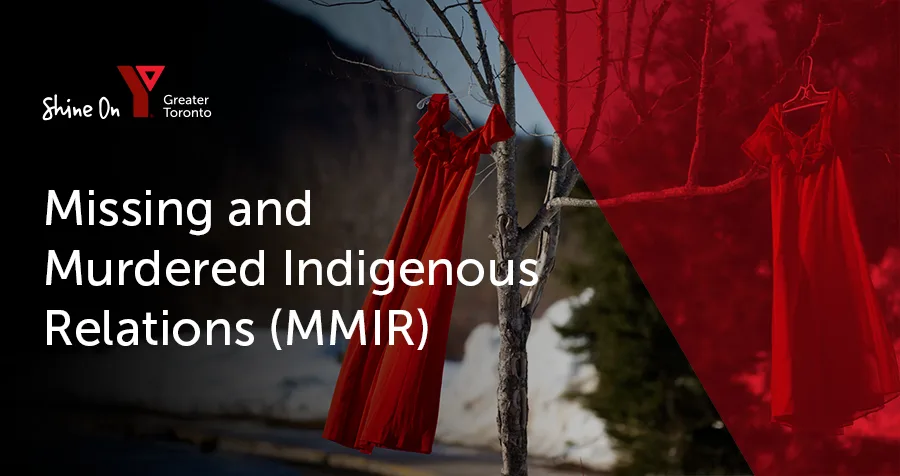
Red Dress Day was inspired by Métis artist Jamie Black’s REDress Project, which began as "an aesthetic response to this critical national issue." On this day, individuals and communities gather, wear red, or hang red dresses in public spaces to raise awareness and honour those who are missing or have been murdered.
May 5 also marks the birthday of Lisa Marie Young, a 21-year-old Tla-o-qui-aht woman who disappeared in 2022 under suspicious circumstances in British Columbia. Despite hundreds of community tips, her case remains unsolved.
We encourage you to say their names: Hanna Harris and Lisa Marie Young — gone, but not forgotten.
May 14
- Moose Hide Campaign Day (Canada)
The Moose Hide Campaign began as a grassroots movement of Indigenous and non-Indigenous men and boys standing up against violence toward women and children.
Moose hide pins are worn year-round as a commitment to honour, respect, and protect the women and children in our lives, and to speak out against gender-based and domestic violence.
Today, people of all genders, ages, and identities participate in this day of fasting, ceremony, and awareness.
October 4
- National Day of Action for Missing and Murdered Indigenous Women, Girls, and 2SLGBTQIA+ People (MMIWG2S+) or Sisters in Spirit Vigils (Canada)
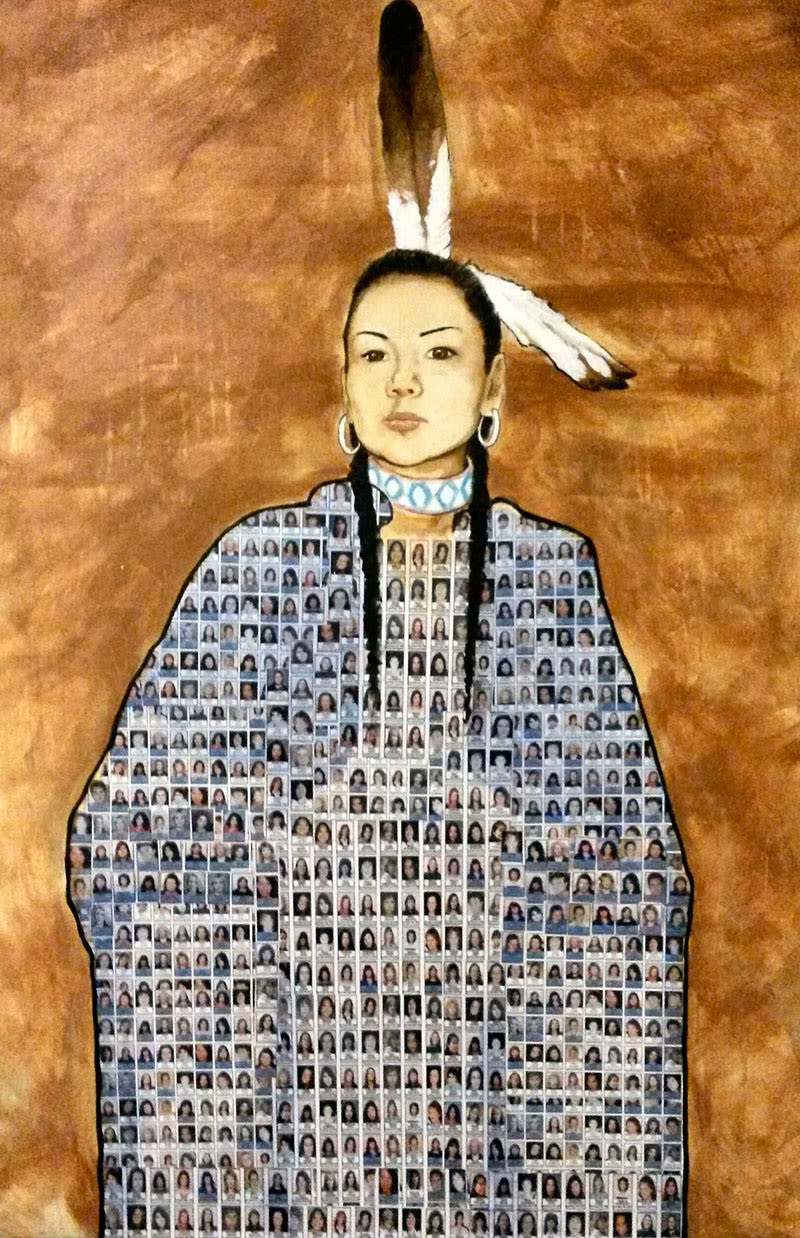
Beginning in 2005, NWAC documented the cases of nearly 600 Indigenous women and girls who were missing or murdered across what is now called Canada. Their work helped bring national attention to the root causes of this violence and led to the report What Their Stories Tell Us: Research Findings From the Sisters in Spirit Initiative.
The report explored three key questions:
- What are the circumstances and root causes of violence against Aboriginal women in Canada?
- How many Aboriginal women and girls have gone missing or been murdered?
- Why has this violence persisted without adequate response from police and justice systems?
Although federal funding for this research ended in 2010, Sisters in Spirit vigils continue to be held across the country each year.
Frequently asked questions (FAQ) and resources on MMIR
How can I learn more about the epidemic of missing and murdered Indigenous Peoples in Canada?
After reading this blog and exploring the links provided, a next step is to centre Indigenous voices in your learning.
Read key research reports and become familiar with the Calls for Justice. Seek out Indigenous-led organizations, writers, and educators who are sharing knowledge and lived experience.
Are there areas in Canada where violence against Indigenous Peoples is particularly high?
Since 1969, a disproportionate number of Indigenous women and girls have gone missing along the 725km stretch of highway between Prince Rupert and Prince George in British Columbia, now known as the Highway of Tears.
What factors contribute to this violence?
Factors include police inaction in cases involving missing Indigenous Peoples, limited cellular service in remote regions, cuts to transportation services such as Greyhound bus routes, and the presence of resource extraction sites and associated “man camps.”
How are child welfare systems connected?
The impact of forced assimilation did not end with Residential Schools. The Sixties Scoop, Millennium Scoop, and ongoing child welfare practices have continued to separate Indigenous children from their families and communities at disproportionately high rates.
Are Indigenous men and boys also impacted?
Yes. Indigenous men and boys also experience higher rates of violence, disappearance, and death compared to non-Indigenous people.
Colton Boushie, a young Cree man of Red Pheasant First Nation, is one example. His death and his family’s pursuit of justice are explored in the documentary nîpawistamâsowin: We Will Stand Up by filmmaker Tasha Hubbard.
What are Starlight Tours?
Starlight Tours refer to the practice of police officers taking vulnerable Indigenous Peoples to remote areas and abandoning them in extreme weather conditions. Neil Stonechild, who died in 1990 on the outskirts of Saskatoon, is one of the most well-known victims. Reports indicate that this practice continues to this day.
What are Birth Alerts?
Birth Alerts refer to the practice of flagging expectant parents as “high risk”, often without their knowledge, leading to newborns being apprehended at birth.
This human rights issue involves collaboration between child welfare agencies, medical professionals, and, in many cases, law enforcement. It has disproportionately affected Indigenous families and has been widely criticized as harmful, discriminatory, and, in some parts of Canada, unconstitutional.
This practice is not unique to Canada. In other parts of the world, this violence against Indigenous parents and newborns is replicated with devastating impacts.
What is the significance of the strawberry in the Strawberry Ceremony?
The strawberry (Ode'imin or ᐅᑌᐦᐃᒥᓐ᙮ in Ojibwe) is known as the Heart Berry in many Indigenous cultures. When cut, it resembles a heart and is considered a woman’s medicine. It represents love, family, healing, and care. As the first berry to ripen each spring, it also symbolizes renewal and new beginnings.
Strawberries are used in ceremony each February to honour missing and murdered Indigenous relations, who remain in the hearts of those who love them.
Closing reflection
Understanding MMIR is an ongoing responsibility. It asks us to listen, learn, and take action — not only on days of awareness, but every day.
By deepening our understanding and supporting Indigenous-led efforts, we can contribute to a future where all people are safe, valued, and able to thrive.