
From card collecting to box breaks: Understanding the risks and helping youth make informed choices

Card collecting has long been popular among children, youth, and adults. Today, online marketplaces, social media, and influencer culture are changing how some people engage with the hobby.
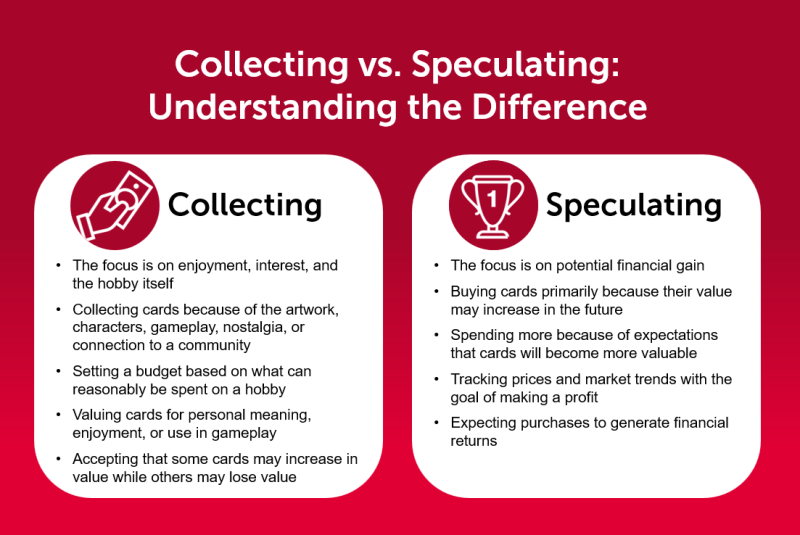
Some collectors now see cards not only as something to enjoy or play with, but also as potential financial assets. This can shift the focus from collecting and gameplay to finding rare cards, tracking market prices, and seeking profit, creating an overlap between collecting, investing, and gambling.
Understanding these changes can help adults support youth in making informed decisions about spending and risk.
What are Collectible Card Games (CCGs) and Trading Card Games (TCGs)?
Collectible Card Games (CCGs) or Trading Card Games (TCGs) are games where players collect, trade, and play with cards. Many cards are sold in booster packs, a random assortment of cards that may help players expand or improve their collection.
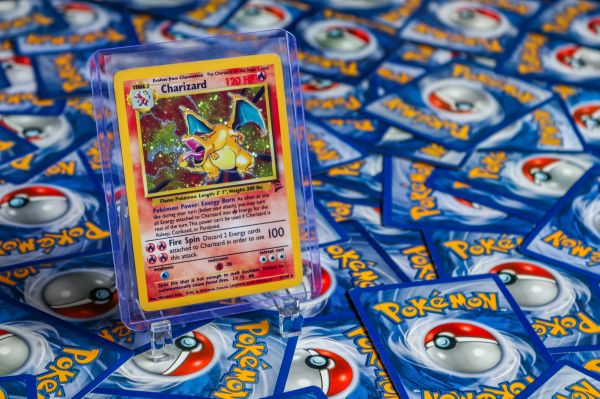
Buyers don’t know which cards they’ll receive until the pack is opened, and cards vary in their characters, abilities, rarity, and value.
While some people buy cards to play the game or expand their collection, others may be motivated by the chance of finding rare or valuable cards or reselling cards for profit. Different card series often have different pull rates, the likelihood of obtaining cards of varying rarity. This means the chances of receiving a common, rare, super rare, or ultra-rare card can vary from one series to another. Some series may include a higher proportion of rare cards, while others make the most desirable cards significantly more difficult to obtain.
Card packs and gambling
The YMCA Youth Gambling Awareness Program (YGAP) defines gambling as risking something of value without knowing whether you will win or lose. Gambling typically involves three core elements: a wager, chance, and a prize. When the primary motivation for trading cards shifts from collecting, playing, or enjoying the hobby to obtaining rare, valuable cards or making a profit, these gambling elements are present:
- Wager: Players spend money upfront to purchase cards, including individual cards, sealed booster packs, or boxes containing multiple packs, hoping the cards they receive will increase in value.
- Chance: The outcome of opening packs or boxes, and whether the cards obtained will become valuable, is uncertain and unpredictable.
- Prize: The focus shifts from collecting or playing to the potential financial value of the cards.
Card packs are psychologically similar to gambling because the player can "win" by obtaining rare and valuable rewards or "lose" by obtaining nonvaluable rewards.1
The randomness of booster packs can create excitement and anticipation, similar to other activities based on chance. While purchasing booster packs is not the same as gambling, the activity can become gambling when the primary motivation shifts from collecting or playing to obtaining rare, valuable cards or making a profit. This may encourage behaviours commonly associated with problem gambling, such as spending increasing amounts of money for a desired outcome, repeatedly buying additional packs after not finding a sought-after card ("chasing"), or focusing on the possibility of profit rather than the enjoyment of the hobby.
Research has found an association between spending money on physical and virtual card packs and problem gambling. However, this does not mean buying card packs causes gambling problems.1
Risks of treating trading cards as speculative investments
Trading cards can be an enjoyable hobby involving collecting, creativity, and social connection. However, when purchases are made primarily with the expectation of profit, people may be taking on risks associated with unpredictable markets, chance-based outcomes, and uncertain future value:
- The market is unpredictable: The value of trading cards can change significantly based on factors such as popularity, collector interest, trends, and social media attention. The trading card market changes constantly as new games and cards are released. A card or game that is highly popular today may lose value if interest declines.
- Getting valuable cards involves chance: Trading cards are often sold in sealed booster packs or boxes containing a random assortment of cards. Buyers do not know what they will receive until the pack is opened. Only a small percentage of cards, typically those that are rare, in excellent condition, highly sought after by collectors, or part of limited editions, become highly valuable. Purchasing packs with the expectation of finding a valuable card involves uncertainty at multiple stages. First, whether a rare or desirable card will be obtained, and second, whether that card will increase in value over time. As a result, attempting to profit from pack openings depends on outcomes that are difficult to predict.
- Selling is not always easy: Trading cards are considered collectible assets, which means they are often harder to sell compared to traditional investments like publicly traded stocks. A card may have an estimated value, but finding a buyer willing to pay that price may take time. Market demand can change, and sellers may need to use specialized marketplaces, auction platforms, or other services to reach potential buyers, many of which charge listing, transaction, or commission fees. These costs can reduce any potential profit. This also creates additional risk, especially if someone needs to sell quickly or discovers that the market value has dropped.
- Hidden costs: The potential value of a trading card does not equal the actual profit a seller may receive. Costs such as grading, storage, shipping, insurance, selling fees, and taxes can reduce any profit.
- Online hype: Online content can also increase excitement around trading cards by highlighting rare finds, expensive cards, and successful sales. Pack-opening videos often focus on the monetary value of cards rather than the enjoyment of collecting and playing, which may create the impression that buying packs is an opportunity to make money. This can encourage some people to view trading cards primarily as an investment without fully understanding the risks, uncertainty, and costs involved.
Box breaks (for trading cards) and gambling

Unboxing videos featuring gifts, clothing, toys, and other products have become highly popular on social media. A similar trend has emerged in the trading card community through livestreamed box breaks and pack openings.
A trading card box break (also called a group break) involves multiple participants purchasing a share of a sealed box or case of trading cards rather than one person purchasing the entire product. The seller opens the cards, often during a livestream, and distributes them according to pre-established rules.
Depending on the format, participants may receive cards through random assignments (such as wheel spins or dice rolls) or by choosing a team, player, character, or card category. Random assignment adds another layer of chance beyond the randomness of opening packs, making some formats more similar to gambling. It can become even more similar to gambling when the main motivation is to pay money for the chance of receiving a valuable card or making a profit, especially when repeated purchases are driven by the hope of a better outcome.
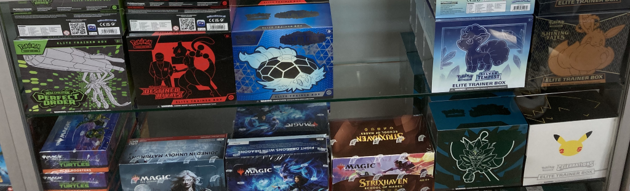
Box breaks can make expensive card products more accessible by allowing participants to share the cost of a box. They can be a form of entertainment when participants are primarily interested in playing the game, expanding their collection, or enjoying the experience.
Box breaks share similar risks to trading card pack openings. Participants pay money without knowing exactly what they will receive, and the value of the cards obtained is uncertain. In some box break formats, a participant may receive no cards if the cards revealed from the box do not match the spot they purchased. For example, a participant may pay for specific cards related to particular sports teams, players, or characters. If the opened box does not contain any cards that match their spot, they may receive nothing despite having paid to participate. Also, while some participants do receive physical cards, the value of those cards may be significantly less than the amount paid.
How online experiences and social influence shape box breaks
While box breaks share some similarities with opening trading card packs, the format introduces additional social and emotional factors because participation often happens online and in real time. Many box breaks take place through livestreams, where participants watch cards being revealed one by one. This can create a heightened sense of anticipation and excitement as participants wait to see whether a desired or valuable card appears.
The community-based nature of box breaks can also influence participation. Watching others receive rare or valuable cards, being part of an online collector community, and seeing sellers highlight exciting outcomes can increase engagement and encourage continued participation. In addition, some box breaks involve real-time purchasing decisions, limited spots, or time-sensitive opportunities, which may make it harder for some participants to pause and consider their spending.
While many box breakers are hobby enthusiasts, participants should be aware that online content may emphasize the most exciting outcomes and create expectations that don’t reflect the typical experience.
Because many box breaks take place online, participants should also consider whether the seller is trustworthy and understand the risks of online purchases. These risks may include scams, data security concerns, unclear return, refund, or shipping policies, and the potential to overspend. Also, digital payments can sometimes feel less tangible than physical cash, which may make it easier to underestimate the amount being spent.
Warning signs: When card collecting or box breaks become risky

- Preoccupation with trading cards: Spending excessive time thinking about trading cards, tracking prices, watching pack-opening or box break videos, searching for rare cards, or planning the next purchase, to the point that it begins to interfere with school, work, relationships, or other hobbies.
- Spending beyond limits: Buying more packs or breaks than planned, spending money needed for other priorities, or having difficulty cutting back.
- Chasing outcomes: Repeatedly purchasing spots in hopes of getting a rare or valuable card, or trying to recover previous spending through another purchase.
- Losing focus on enjoyment: Prioritizing card value and potential profit over collecting, playing, or the hobby itself.
- Being influenced by hype: Feeling pressured to participate because of online trends, influencers, livestreams, or seeing others receive valuable cards.
- Experiencing negative impacts: Feeling regret, stress, or conflict with others because of card-related spending or time spent engaging with the hobby.
Why youth may be more affected by trading card packs and box breaks
Youth and young adults may be particularly vulnerable to the risks associated with trading card packs and box breaks for several reasons.
Many youth are familiar with digital games that use randomized rewards, such as loot boxes or chance-based purchases. These experiences may make spending money for an unknown reward feel familiar and entertaining. Similar features can appear in trading card packs and some box breaks, where people pay before knowing what they will receive. Research shows that young people experience higher rates of problem gambling than adults2, and early exposure to gambling or gambling-like activities can increase the likelihood of future gambling involvement and gambling-related harms3.
While trading cards and box breaks are not automatically gambling, some formats involve similar features, such as paying money for an uncertain outcome and hoping to receive something of greater value. Early exposure to these chance-based purchasing experiences may influence how young people understand risk, rewards, and spending.
This is particularly important because the brain continues to develop until about age 25, especially the areas responsible for decision-making, impulse control, and weighing long-term consequences. This may make some youth more susceptible to risk-taking and chance-based activities4.
In the context of trading card packs and box breaks, this may make it harder for some youth to recognize how excitement, anticipation, or the chance of receiving a rare card can influence spending decisions. For example, they may continue purchasing packs or joining breaks in pursuit of a valuable card without fully considering the total cost or likelihood of that outcome.
In addition, social media and influencer content can amplify these risks. Pack-opening videos, livestreamed box breaks, and posts showcasing rare cards or high-value sales often emphasize exciting or successful outcomes while overlooking the more typical experiences and financial losses. This can create unrealistic expectations and encourage repeated participation. Research also suggests that media exposure to gambling influences young people, and that playing games that combine gaming and gambling features is associated with an increased risk of gambling-related problems.
For these reasons, starting conversations early about gambling, gambling-like activities, chance, and healthy spending habits can help build critical thinking, reduce potential harms, and support positive youth development 5 6.
Supporting youth and young adults in navigating trading card packs and box breaks
Adults can help youth and young adults who enjoy trading cards make healthy and informed choices by keeping conversations open, showing interest in the hobby, asking questions, and supporting decision-making without judgment.
Adults can encourage critical thinking about online content by discussing how social media often highlights rare finds and successful outcomes while leaving out typical experiences and potential losses. It’s important to build awareness of the risks associated with trading cards and box breaks, including concepts such as market volatility, chance, and uncertainty.
Adults can also promote financial literacy by encouraging budgeting, helping youth distinguish between needs and wants, viewing trading cards primarily as a hobby or entertainment expense rather than a guaranteed investment, and using tools such as prepaid cards to support spending control.
 Adults should also watch for warning signs, such as difficulty controlling spending, becoming overly focused on card values, or feeling stressed or frustrated about purchases or losses. Remind them that seeking support when facing challenges is a sign of strength.
Kids Help Phone, Good2Talk, and ConnexOntario are examples of support services that can help youth, young adults, and adults address gaming or gambling problems.
To further support informed conversations, adults can access YGAP’s list of webinar recordings on emerging gambling trends and gambling-like activities that may impact youth. Topics include lucky scoops, blind boxes, claw machines, sports betting, fantasy sports, social sportsbooks, and more.
Adults, educators, and community partners can also contact YGAP at ygap@ymcagta.org to book a free workshop, available both in-person and virtually, on topics such as the impact of gambling advertising on youth, gambling and financial literacy, crypto assets and their connection to gambling, and gambling in video games.
_____________________________________________________________________________
1 Xiao, L. Y., Zendle, D., Petrovskaya, E., Nielsen, R. K. L., & Newall, P. (2026). Physical card pack and especially video game loot box spending are both positively correlated with problem gambling but not linked to negative mental health: An international survey. Psychology of Addictive Behaviors, 40(1), 66–85. psycnet.apa.org/fulltext/2026-54526-001.html
2 Ontario Student Drug Use and health Survey (OSDUHS, 2019), William et al 2021
3 Pérez L. (2024). Too Young to Gamble: Long-term Risks from Underage Gambling. Journal of gambling studies, 40(3), 1575–1584. https://doi.org/10.1007/s10899-024-10319-1
4 American Psychological Association, Monitor on Psychology, How gambling affects the brain and who is most vulnerable to addiction, 2023, https://www.apa.org/monitor/2023/07/how-gambling-affects-the-brain
5 Talebi, F., & Bazrafshan, F. (2025). Effectiveness of preventive gambling interventions in adolescents: a systematic review and meta-analysis. Addictive behaviors, 170, 108436. https://doi.org/10.1016/j.addbeh.2025.108436
6 Calado, F., Alexandre, J., Rosenfeld, L. et al. The Efficacy of a Gambling Prevention Program Among High-School Students. J Gambl Stud 36, 573–595 (2020). https://doi.org/10.1007/s10899-019-09908-2