
Three tips to help your child make friends
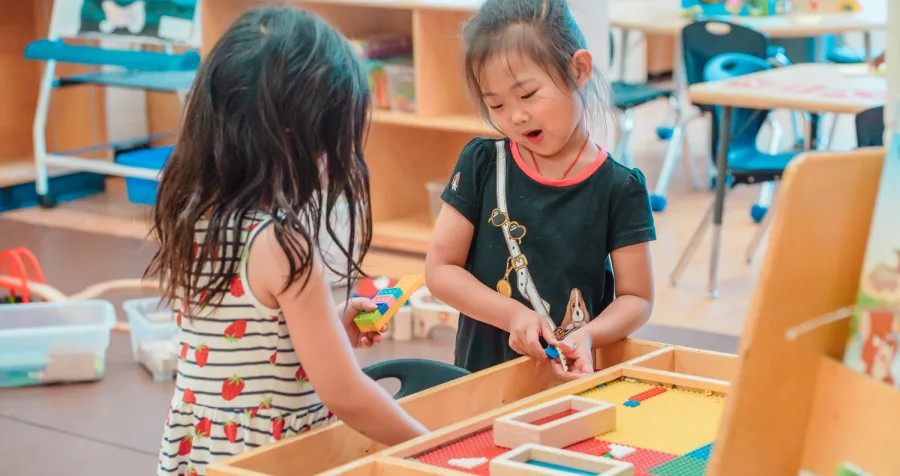
You want your child to feel happy and included. You hope they have someone to sit next to during snack time, and it’s natural to wonder if they get along with other children.
Friendships develop earlier than you might expect. It doesn’t always look like whispered secrets or organized playdates. In the early years, friendship often grows quietly, in small everyday moments.
What friendship looks like in the early years
Ages 0 to 2: Exploring play
In the first years of life, children are mostly focused on exploring the world around them. This stage is sometimes called unoccupied or solitary play.
A baby will watch their hands, shake a rattle, or roll a ball across the floor. Toddlers will often play on their own while other children are in the same room. It might not look like friendship yet, but learning is happening.
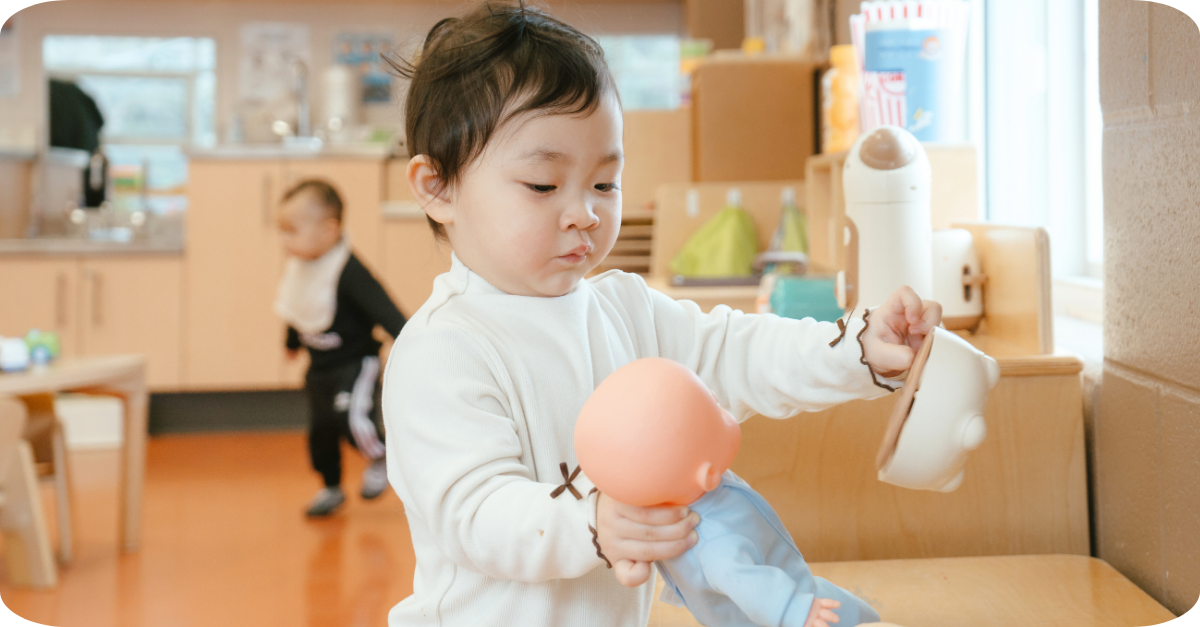
Your child notices other children. They see how others laugh, hold toys, and what happens when something falls. These early observations help them understand how to interact with the world around them.
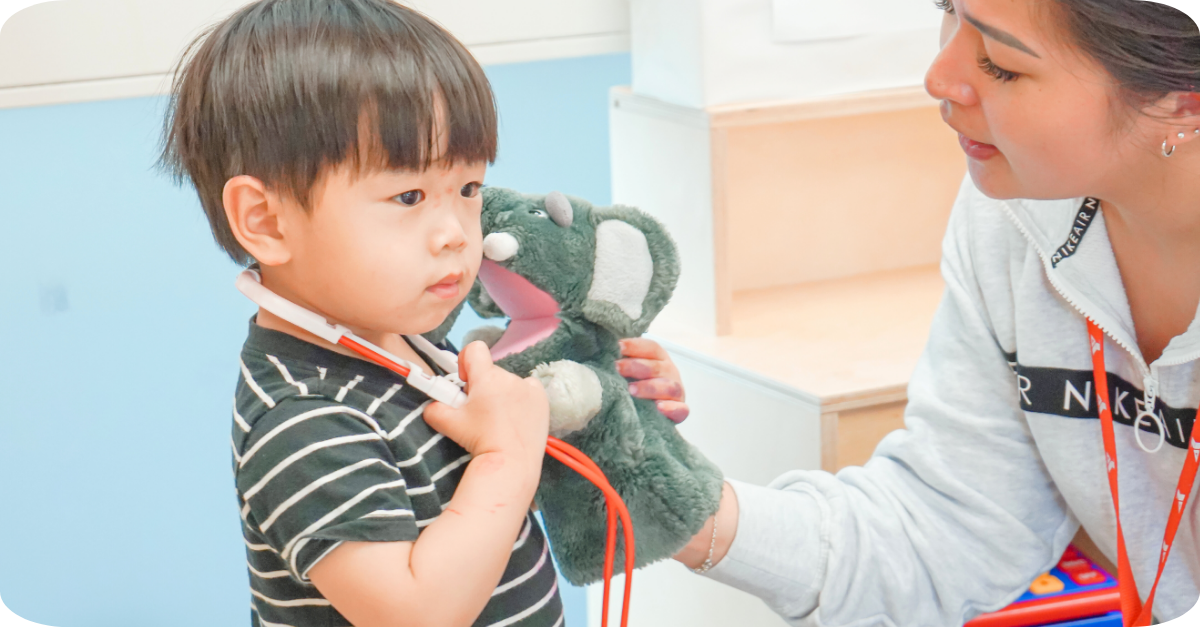
Even sitting near another child builds comfort and curiosity. These small moments lay the groundwork for connection.
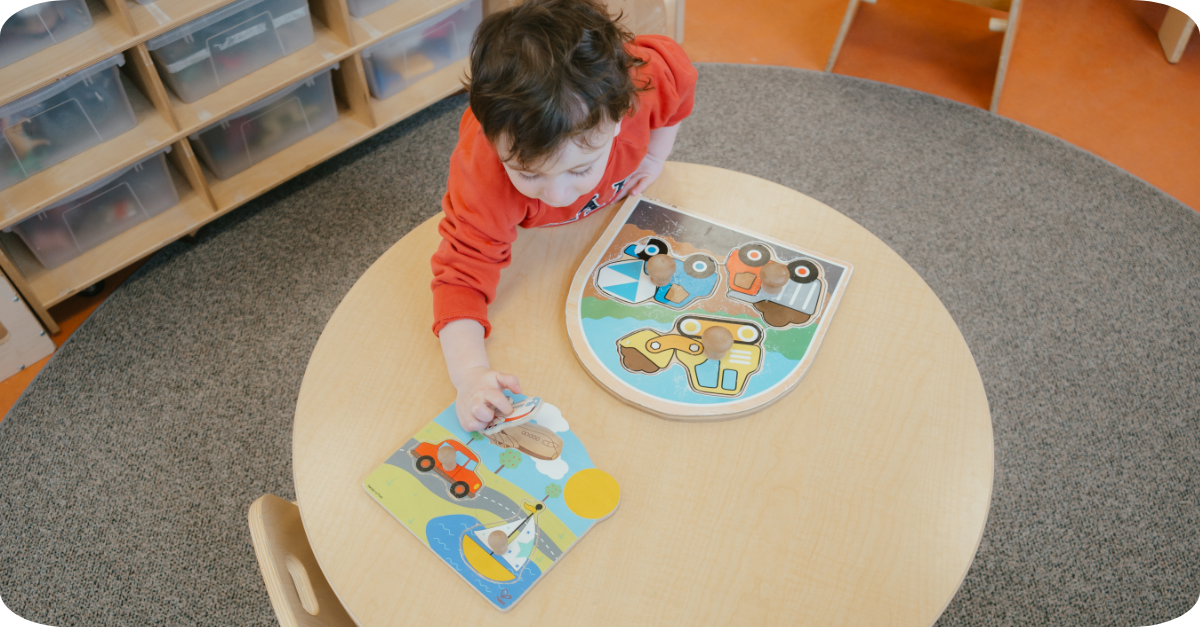
Ages 2 to 3: Playing alone, but aware of others
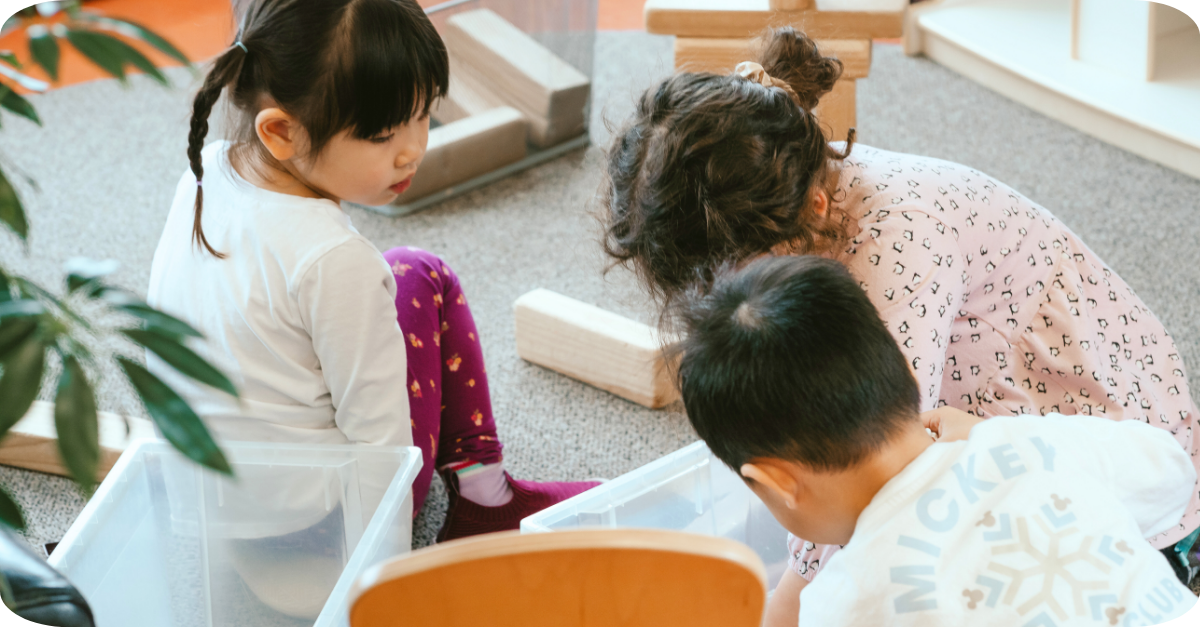
At this age, many children still enjoy playing alone, but they are more aware of what other children are doing nearby. One child might build a tower while another plays with toy cars — they aren’t playing together yet, but they’re starting to notice and learn from each other.
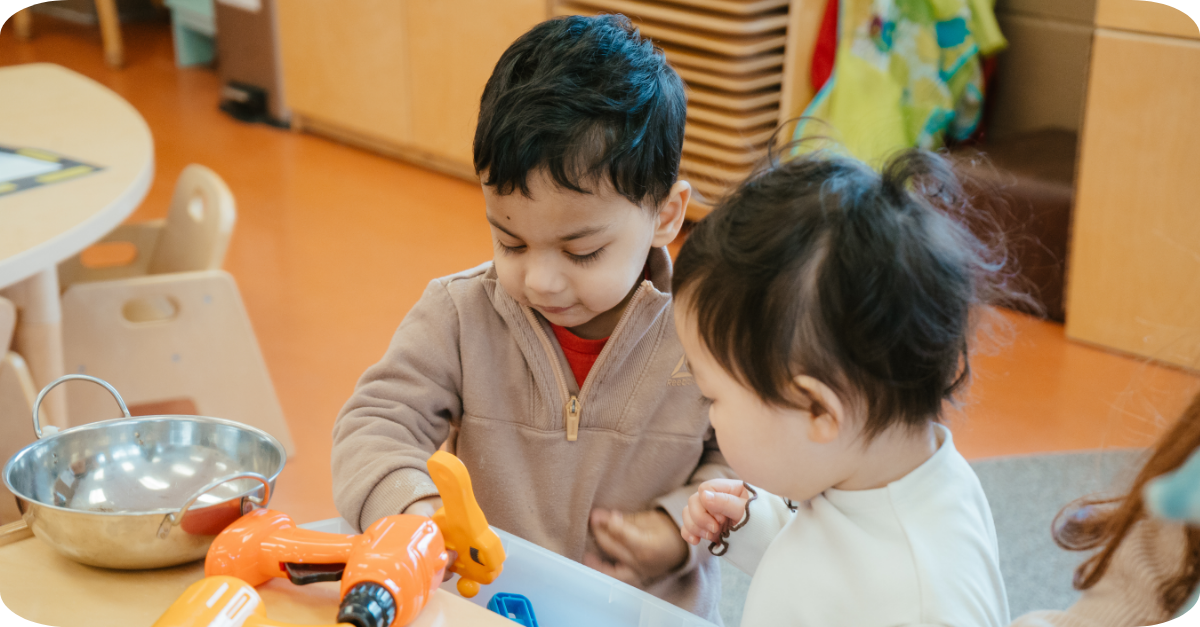
This stage helps children practise skills independently while building confidence in a shared space. So, if your child prefers to sometimes play alone, this is a normal part of their development.
Ages 3 to 5: Beginning to play together
Children move into associative play during their preschool years. They play beside one another, share materials, and talk, building their social skills. One child might pretend to cook while another serves the food, laying the foundation for teamwork, patience, and co-operation.
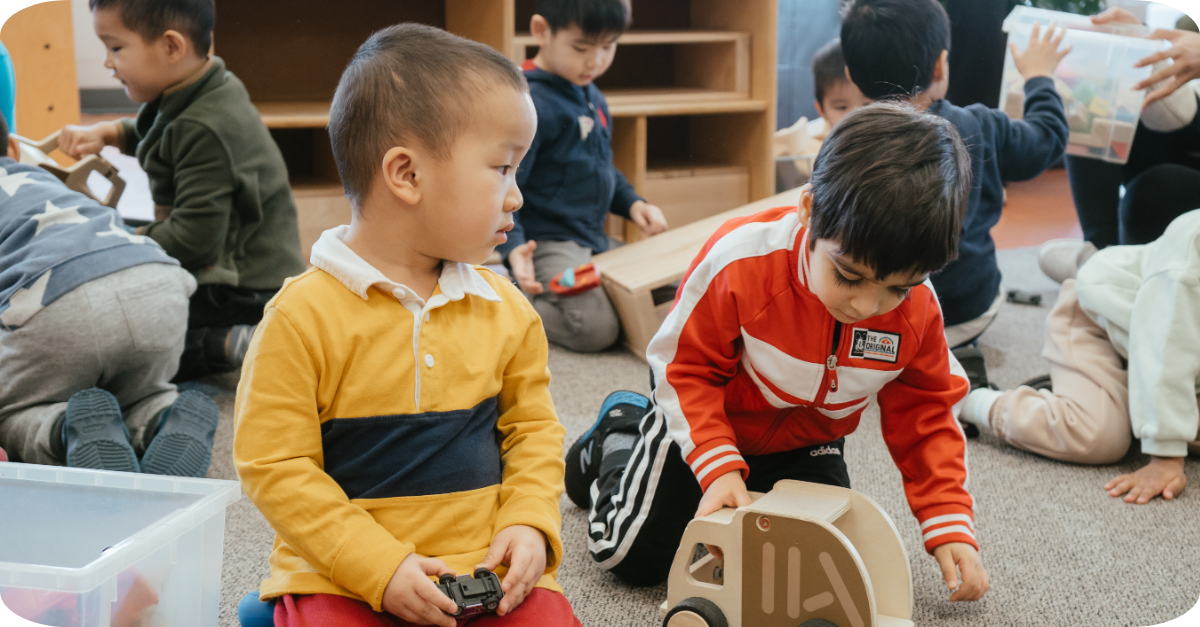 Preschool friendships can be short and intense. You might hear a child say, “That’s my best friend,” even if it changes the following week.
During this stage, children learn to talk about their emotions, take turns, share space, and work through disagreements. These skills take practise and develop over time.
Age 5 and up: Playing and working together
As children reach school age, co-operative play becomes more common. They’re more likely to work together toward the same goal, whether it’s building a fort, creating a game with rules, or acting out a story during pretend play.
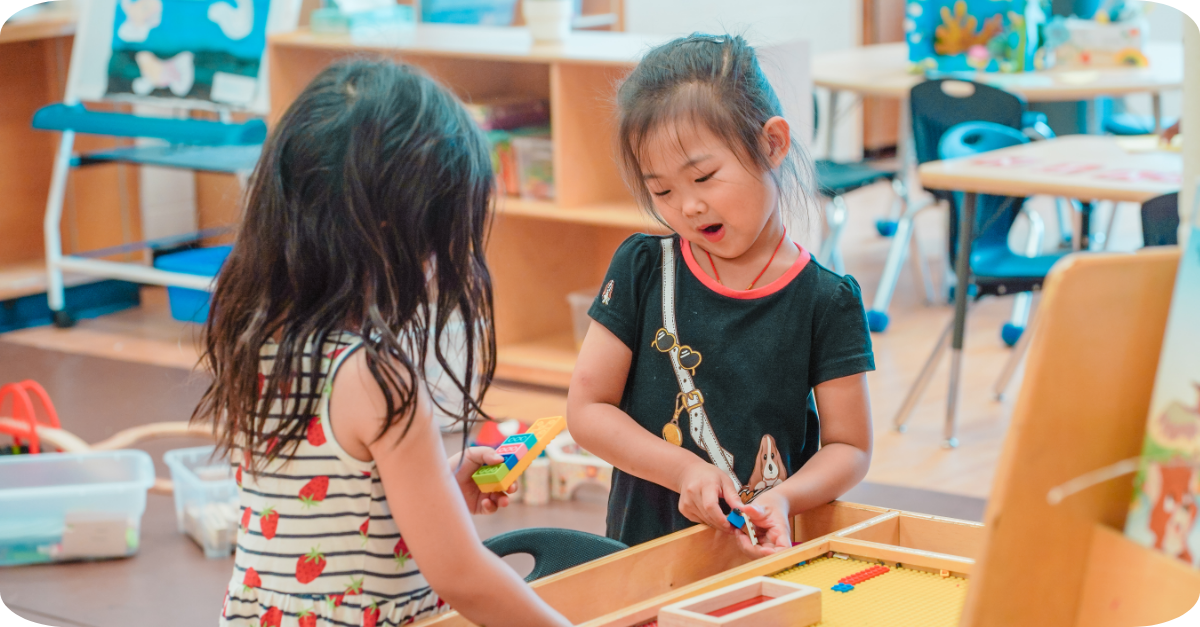
Friendships start to feel more stable because children can communicate more easily, take turns, and solve problems together. These experiences help them build the social skills they will use throughout school and life.
How you can support your child
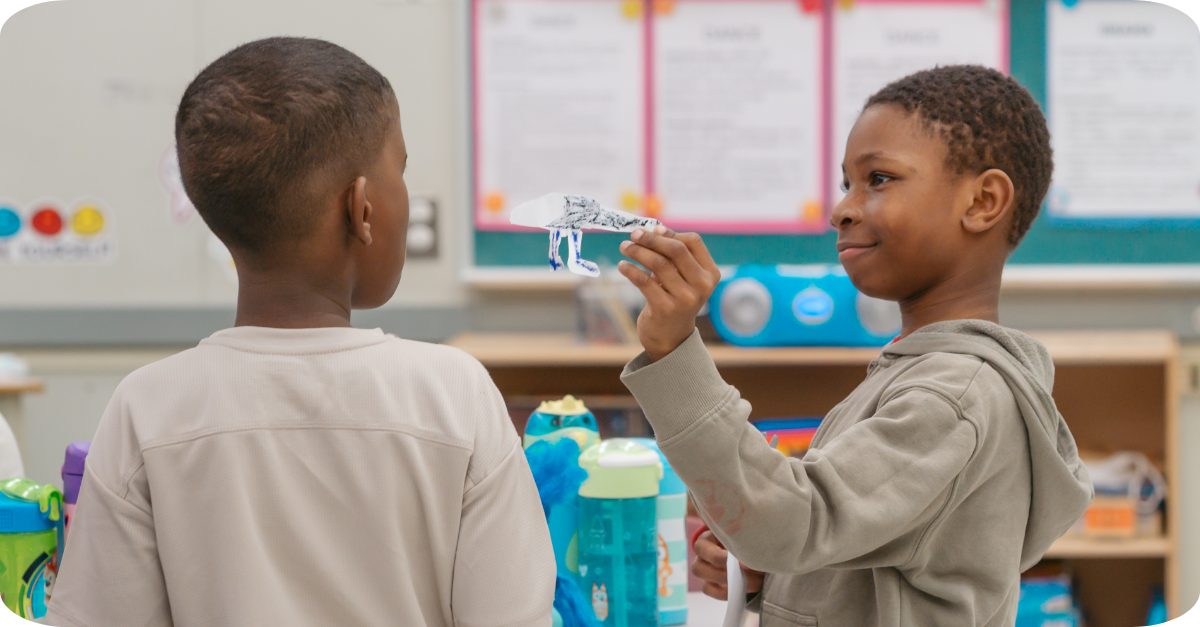
Every child approaches friendship in their own way. Whether yours is happy to join a group, or if they prefer to hold your hand and watch from the side, your steady support makes a difference.
1. Practice social skills at home
Simple play builds strong skills. When you take turns rolling a ball, your child learns patience. When you pretend to run a grocery store, you teach them about language and role-playing.
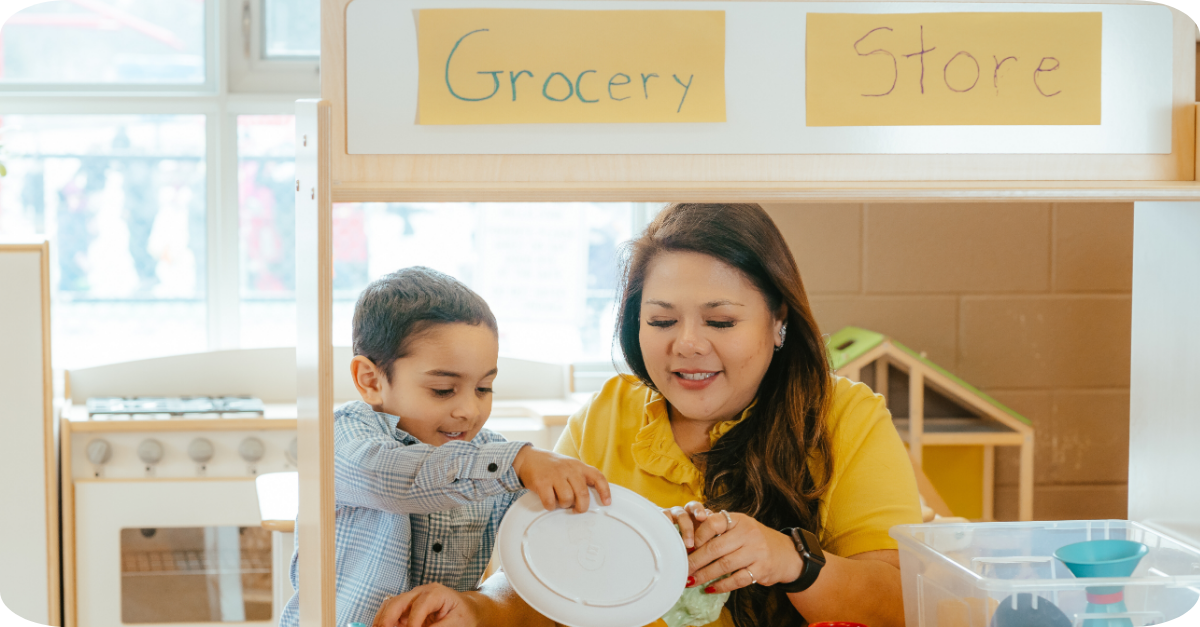
When you use stuffies to act out a minor conflict and say, “Elephant is sad. What can we do?” your child learns about empathy in a safe and supportive way. These activities might feel minor or trivial, but they are surprisingly powerful.
2. Honour your child’s personality
If your child is slow to warm up, that does not mean something is wrong. Some children need time to observe before they join in. Offer to stay with them until they feel ready or say, “I noticed you watched the other children build. What did you see?”
Let your child move at their own pace. Confidence grows when children feel understood, not rushed.
3. Create gentle opportunities to connect
Familiarity builds comfort, so find activities where your child can see the same faces again and again, such as a playgroup or story time session at the library.
YMCA of Greater Toronto programs like EarlyON, Day Camps, Before and After School programs, or recreational activities like swimming and dance can offer steady routines and supportive adults who guide children through social moments. What matters most is not the size of the group — it’s that your child feels safe enough to try.
Why these early friendships matter
When your child waits for their turn, comforts a friend, or asks, “Can I play?”, they’re building skills that reach far beyond the classroom.
Research shows that children who develop strong social and emotional skills early on are more likely to succeed later in school and in life. Beyond the research, you can see it for yourself. A child who feels connected walks a little taller, takes small risks, and recovers more easily from difficult days.
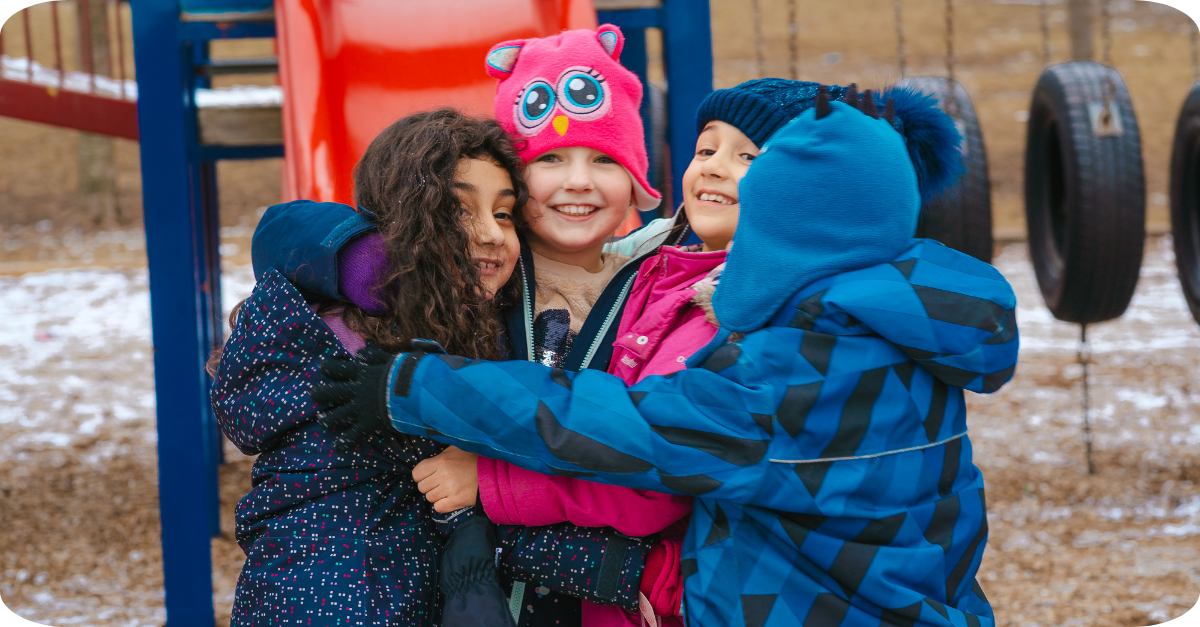 These early years are not about having a long list of friends. They are about learning how to belong. So if your toddler quietly builds blocks beside another child, or your preschooler speaks proudly about their “best friend,” know this:
They are learning how to be part of the world.
With your patience, encouragement, and the steady rhythm of everyday play, they are building friendships, one small moment at a time.