

Belonging Remains Out of Reach for Many Canadians, Despite Strong Demand for Connection
- Feelings of belonging remain stagnant, with only one-third (36%) of Canadians feeling connected to their community all or most of the time
- Compared to 2025, feelings of online connection significantly declined in 2026
- Seven in 10 Canadians (77%) say third places play an important role in increasing social connection
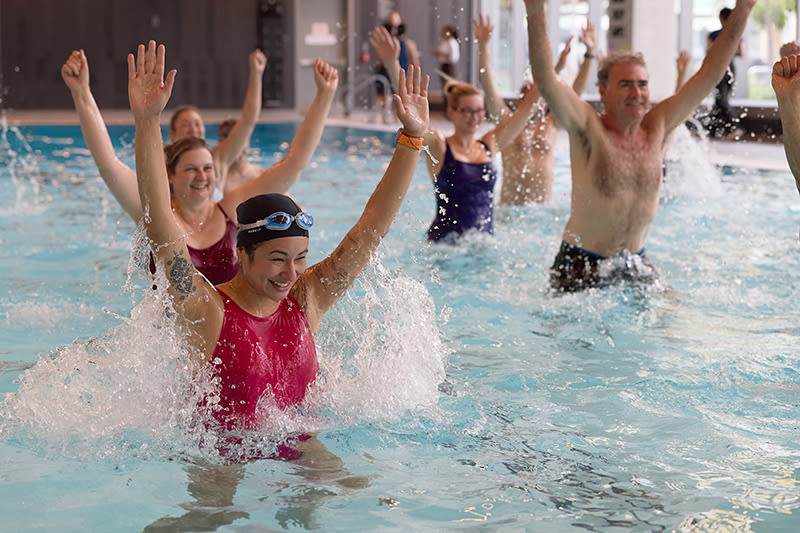
Toronto, September 14, 2026 – New YMCA research shows that belonging remains out of reach for many Canadians. Just three in 10 (36%) respondents feel a sense of belonging or connection to the community where they live all or most of the time, virtually unchanged from 2025 (38%). Yet Canadians continue to point to the same factors that help them connect: feeling welcomed, participating in local programs, sharing experiences and spending time together in person.
The findings reveal a persistent gap between Canadians’ desire for connection and their lived experience of it. While 77% say community spaces beyond home and work play an important role in increasing social connection, only one-third regularly spend time in these spaces and 64% wish there were more available in their communities.
YMCA Canada and the YMCA of Greater Toronto released the findings today as part of the second annual YMCA Connections Snapshot, alongside the YMCA’s latest iteration of its “Greater Together” brand awareness campaign. The campaign celebrates moments of connection, big and small, and the role community can play in helping people thrive.
Canadians Are Increasingly Valuing Opportunities for In-Person Interactions
Research showed feelings of online connection have decreased significantly in the past year to 21%, down 5 points from 2025, particularly in Ontario (21%), and Saskatchewan and Manitoba (13%).
While digital platforms continue to shape how Canadians communicate, when asked what matters most to feeling connected with others, Canadians put face-to-face experiences first (31%), followed by shared experiences or interests (25%).
“The findings make a strong case for the value of showing up in person. Canadians are not saying they need more ways to scroll or post. They are telling us they value conversations, shared experiences and places where they can participate alongside others,” said Lesley Davidson, President & CEO, YMCA of Greater Toronto and YMCA Ontario. “Community spaces like the Y make those moments possible, but they need to be accessible and welcoming to the people who need them.”
Sense of Belonging Remains Stalled
For a second year, only about one in three Canadians report feeling connected to their community all or most of the time. The national result is stable, but Alberta saw a significant 12-point decline, from 43% in 2025 to 31% in 2026.
The obstacles are also familiar. Social anxiety or discomfort remains the most commonly cited barrier to community connection at 48%, followed by lack of time at 43% and not knowing where to start at 42%. Although each declined modestly from 2025, they remain the top three barriers.
“What stands out is the persistence of the gap. Canadians continue to want stronger community connections, and they continue to tell us what helps create them. But too many people still face barriers to taking part,” said Peter Dinsdale, President & CEO, YMCA Canada. “The answer is not simply to talk more about belonging, it is to create more welcoming, accessible opportunities for people to experience it.”
Third Places Can Help Close the Gap, Despite Slight Decline in Use
Canadians continue to see third places, including community centres, libraries, parks and other gathering spaces beyond home and work, as part of the solution. More than three-quarters (77%) say these places play an important role in increasing social connection. Nearly two-thirds (64%) say access to them helps them feel more connected to their community, and the same proportion wish there were more third places available where they live.
Yet, there remains a gap between interest and participation. Only 33% say they regularly spend time in third places, down four points from 2025. More than half say they would visit more often if the spaces were affordable or free, and 49% would visit more often if they were more welcoming or inclusive.
Cost Continues to Limit Participation
Affordability remains an important part of the story. While 73% say access to free or affordable programs contributes to belonging, financial barriers continue to prevent participation. Canadians report barriers to accessing fitness and wellness programs (40%), mental health and well-being services (34%), children and youth programs (23%) and newcomer and settlement services (6%).
Ultimately, the findings point to an ongoing opportunity to improve awareness and access to assistance that helps people take part and build a stronger sense of belonging. Community organizations and charities like the YMCA play an important role in fostering belonging and creating spaces where people can build meaningful relationships. Through financial assistance programs, the Y works to ensure cost is not a barrier to participation, creating welcoming spaces where people of all ages and backgrounds can connect and belong.
Learn more about the Greater Together campaign.
About YMCA of Greater Toronto
The YMCA of Greater Toronto is a charity that ignites the potential in people, helping them grow, lead and give back to their communities. For more than 170 years, the YMCA of Greater Toronto has provided opportunities for people to reach their potential through a variety of programs and services including health and fitness, licensed child care, camps, employment and immigrant services, education and training, and services for youth, families and seniors. Promoting equity and boosting well-being across about 500 locations in the Greater Toronto Area, the Y is a leading charity that helps everyone shine. For more information visit ymcagta.org.
About YMCA Canada
The YMCA is a charity that ignites the potential in over 2 million people annually, helping them grow, lead, and give back to their communities. Across Canada, the YMCA delivers a wide variety of programs and services that empower people of all ages and life stages to overcome barriers and rise to their full potential. Programs include child care, health and wellness, aquatics, employment services, immigrant settlement, camps, mental wellness, and many other community initiatives that respond to local needs. Foundational to all this is the YMCA’s commitment to creating spaces and experiences where everyone feels safe, welcome, and a sense of belonging.
The YMCA in Canada is comprised of 37 YMCA Member Associations, supported by YMCA Canada, the national office, working together so all Canadians can shine on.
About the Survey
These findings are from a survey conducted by YMCA from July 6 to July 13, 2026, among a representative sample of 1,503 online Canadians who are members of the Angus Reid Forum. The survey was conducted in English and French. For comparison purposes only, a probability sample of this size would carry a margin of error of +/-2.53 percentage points, 19 times out of 20.